
How to Get a Construction Job in Australia
[ Without Experience ]
There are multiple entry points into the industry, but the difference comes down to how you approach it.
This page explains what actually works, what employers look for, and how to position yourself so you don’t get stuck doing basic labour work long-term.
Do You Need Experience to Start Working in Construction?
No, you do not always need experience to start working in construction, but you do need the right foundation.
Most entry-level construction jobs in Australia don’t require formal experience. However, employers still expect:
- Basic understanding of tools
- Willingness to learn and follow instructions
- Physical fitness and reliability
- A strong work ethic
Someone with zero site experience but the right attitude will often be chosen over someone experienced but careless.
That said, having even a small amount of exposure to tools or site work gives you a clear advantage.
What Employers Actually Look For
Experience matters less than how you show up.
Construction companies look for people who:
- Turn up on time, every time
- Pay attention to detail
- Take responsibility for their work
- Respect the team and site environment
- Want to improve, not just get through the day
Reliability and attitude are what get you hired, skills come after.
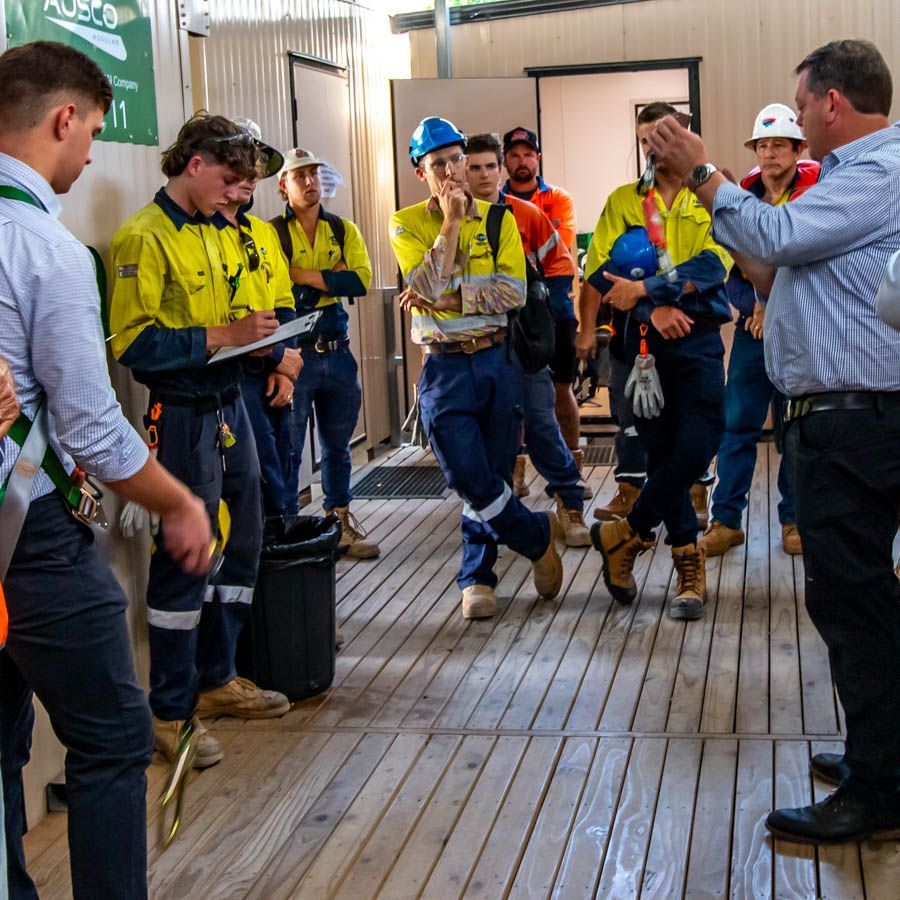
How to Stand Out Applying For Constructions Job
(This Is What Most People Miss)
Most applicants look the same on paper.
They apply through job boards with generic resumes and wait for a response. That approach rarely works.
What do you need to show applying for the job in constructions:
1. Show initiative
Call companies, follow up, or reach out directly. Effort is noticed.
2. Highlight any hands-on experience
Even basic work matters. Landscaping, DIY projects, helping on-site - it all counts.
Some manual/physical projects / can also be beneficial to mention.
3. Be clear about your intent
Communicate that you want to build a long-term career, not just pick up casual work.
4. Focus on attitude, not just skills
Employers hire people they can trust on-site.
Common Mistakes That Hold People Back From Getting a Job in the Construction Industry
Job candidates often don’t struggle because of a lack of job opportunities. They struggle because of how they approach it.
Avoid these mistakes when applying for a job:
- Applying to dozens of jobs with no proper research and not following up
- Expecting to be trained without putting in effort
- Treating the role as temporary
- Cutting corners or rushing work
- Not taking pride in what you do
Instead, learn more about the company and the values, take a proactive approach, and show your willingness to learn and work ethic - start early, respect the team, and show your interest in growing with the team.
These behaviours get noticed quickly, and they limit your progression.
Different Pathways Into Construction Jobs
1. Labourer Roles
This is the most common entry point.
Here's what you will do:
- assist trades
- move materials
- support general site work
- warehose / workshop packing, assembling tasks, etc
It’s a good way to get exposure, training, and connections in the industry
2. Apprenticeships (e.g. Carpentry)
This is the traditional pathway.
You’ll:
- learn a trade and essential skills, gain necessary experience, learn the tools and build networks
- combine on-site work with formal training
Carpentry is one of the most popular job options because it opens doors across residential and commercial construction.
3. Specialised Construction Roles (Smart Pathway)
This is where fewer people look for career growth, but where faster growth can happen.
Specialised roles focus on specific systems or areas within construction, such as:
- height safety installation
- compliance systems
- technical installations
These roles:
- require precision and responsibility
- are in high demand
- often lead to faster progression into leadership roles
- ability to follow the installation manuals
Instead of staying in general labour work, you build a focused skillset that makes you more valuable in the field.
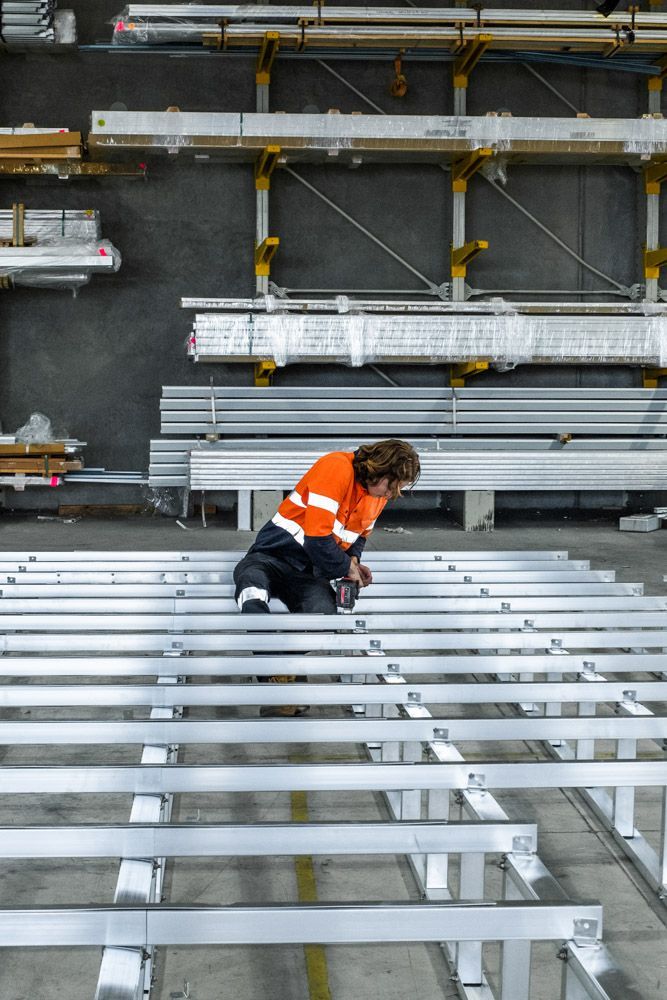
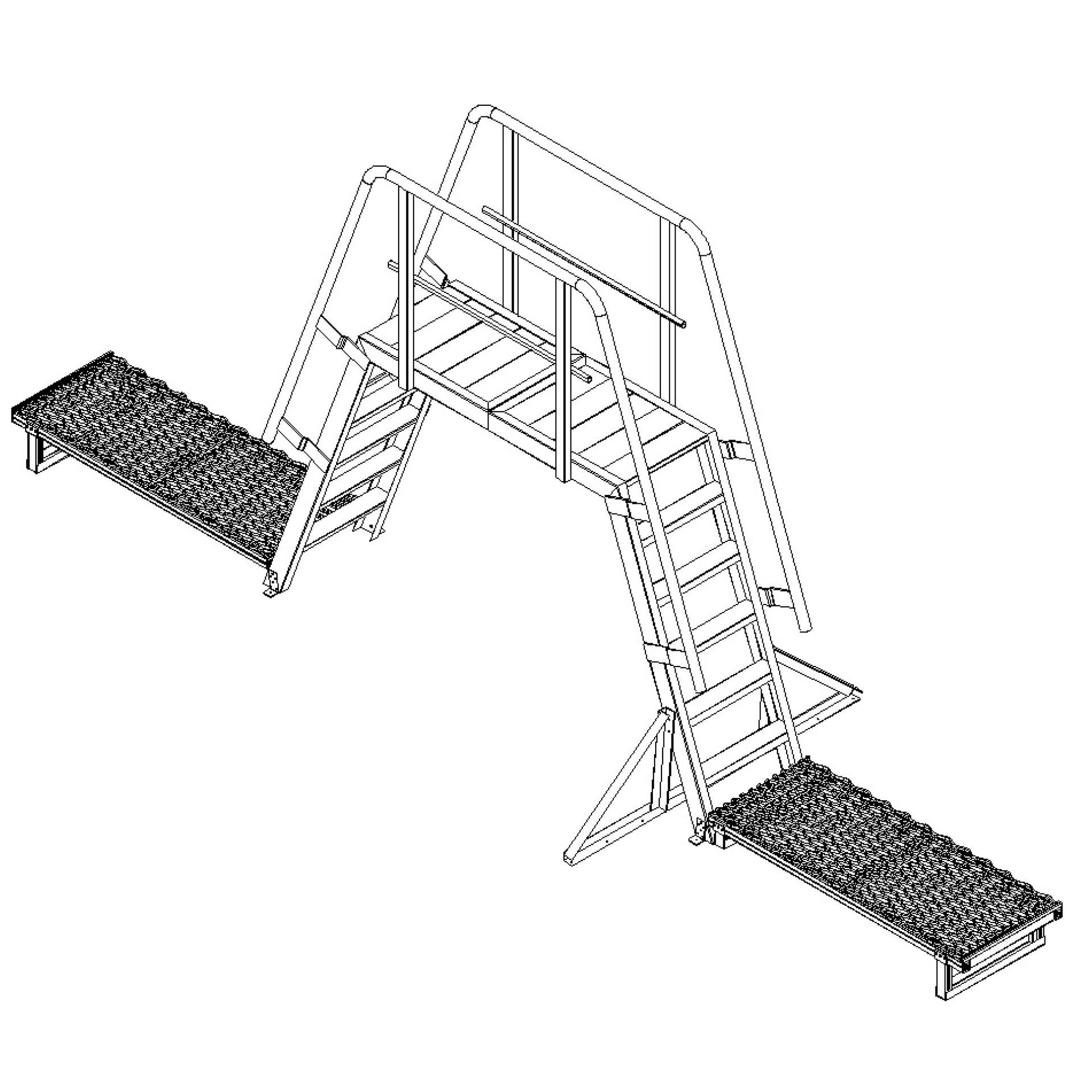
Choosing the Career Right Path in Trades and Constructions
Most people enter construction jobs without a clear plan.
They take the first job available and figure it out later. That can often lead to slow progression and frustration.
A better approach to your career and income growth is to ask:
- Will this role teach me something valuable?
- Is there a clear next step?
- Am I learning from people who care about quality?
The earlier you choose the right path, the faster your career moves.
Getting into the construction industry without experience is possible.
Moving forward in construction is where many people struggle. That is why it is important to map out a career growth plan for yourself for faster progression and to get a high-paying and high-impact management role.
The difference comes down to:
- attitude
- consistency
- and choosing the right environment to learn and grow
If you’re willing to put in the effort and take ownership early, you won’t stay entry-level for long and progress in your career faster.
Looking to Start in a Specialised Construction Role?
If you want to build a long-term, sustainable career, not just pick up a job, there are opportunities to start in specialised installation roles with clear progression.
Explore current job opportunities with Safetylyne, or send your expression of interest in working with our team - info @ safetylyne.com.au
What Certificates Do You Need to Start Working in Construction?
You don’t need many qualifications to get started in construction, but there are a few basics most employers expect.
A White Card is required to work on-site in Australia.
Beyond that, certificates like Working at Heights, EWP, or First Aid can be useful, but they’re often gained once you’re already working.
What matters more at the start is your attitude, reliability, and willingness to learn.
Basic hands-on experience also helps. This could include using tools, assembling furniture or equipment, or following manuals and instructions. It shows you can work practically and pick things up quickly.
As you gain experience, additional certifications can increase your value and open up more opportunities. Many companies support further training for people who show commitment and take their work seriously.
Learn more about Career Progression in Construction and the best way to grow to a project manager role.
READY TO BUILD YOUR CAREER IN CONSTRUCTION?
Working in construction with the right team is more than just a job.
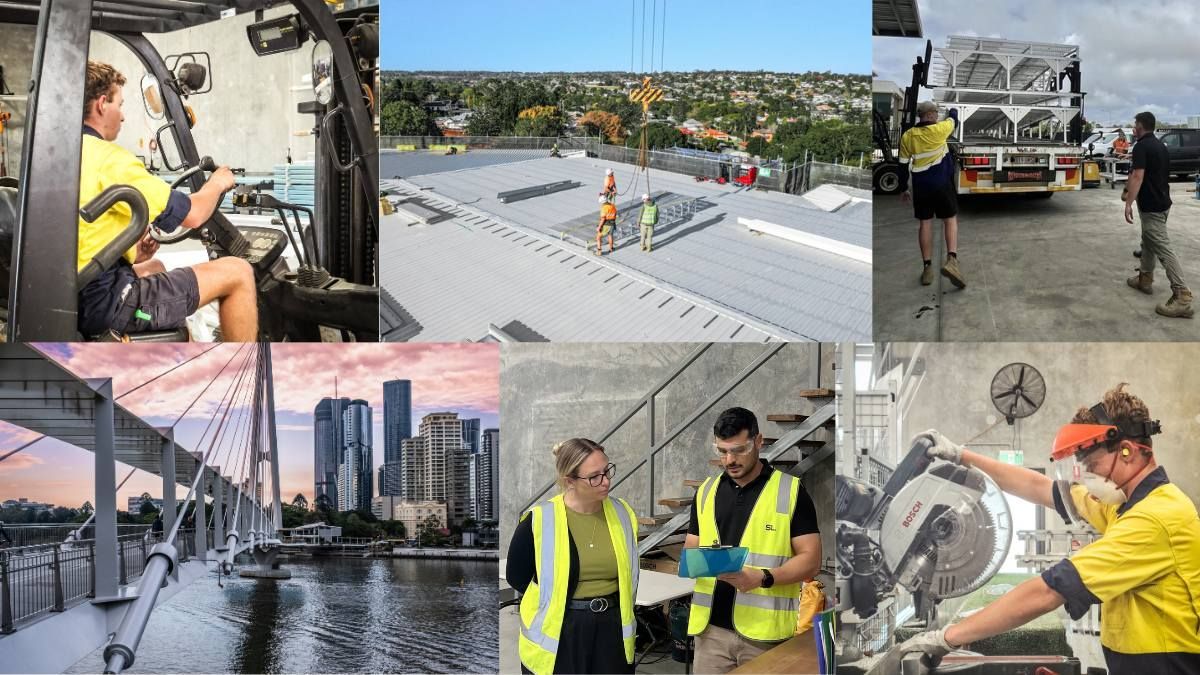
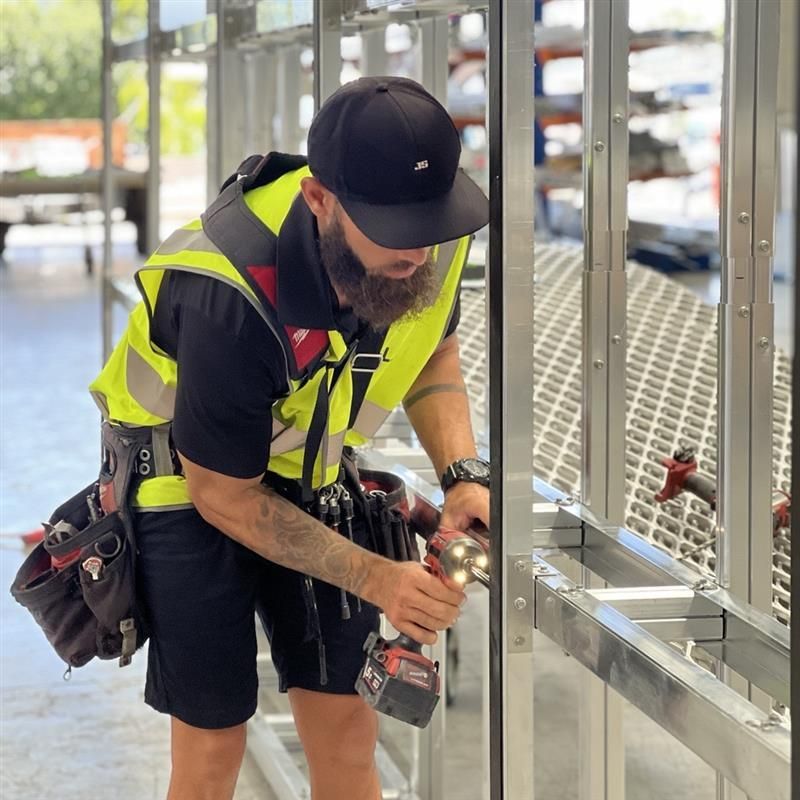
You get to stand in front of something you helped build and can see your impact. Hospitals, infrastructure, commercial projects - real structures that people rely on every day. This is what you can work with at Safetylyne - see our height safety projects.
There’s a different level of pride that comes from knowing your work is part of that.
That is not just turning up to the site.
You’re learning skills that stay with you, taking on more responsibility, and building a clear path forward. With the right mindset, you can grow from hands-on work into leadership and project roles over time.
SAFETYLYNE IS HIRING!
Safetylyne is growing, and we offer jobs for trades, carpenters, carpentry apprenticeships, height safety installers, and other labor jobs with career progression.
Locations - Sunshine Coast, Brisbane, Sydney, and other locations in NSW, VIC, and multiple locations with travel opportunities.
BENEFITS OF WORKING AT SAFETYLYNE
- Training provided
- Clear career progression pathways to future management roles
- Monthly team lunches, pizzas, and BBQ, unlimited coffees
- Focus on safety and compliance, as we are a safety-oriented company
- Safetylyne facilitates learning and covers courses, training, and tuition fees for the right candidates
- Tools, equipment, uniforms
- Travel expenses, where relevant, are covered
- Great, friendly, and professional team and positive culture
Submit your job expression of interest here:

