
Industrial Access Platforms for Chemical and Petrochemical Facilities
Chemical and petrochemical sites don't have standard access problems. You're working around pressurised vessels, live pipe racks, containment bunds, and process equipment that can't be interrupted. Access structures need to be designed around those constraints from the start, not adapted after the fact.
Safetylyne engineers and manufactures aluminium access platforms, walkways, pipeline crossovers, and elevated structures for chemical plants, refineries, and processing facilities across Australia. Every system is designed to the site, the load, and the operating environment.
Access Solutions Designed for Chemical and Petrochemical Sites
These environments demand access structures that hold up under continuous industrial use, work around fixed infrastructure, and stay serviceable long-term without constant maintenance.
+ Process Equipment Platforms
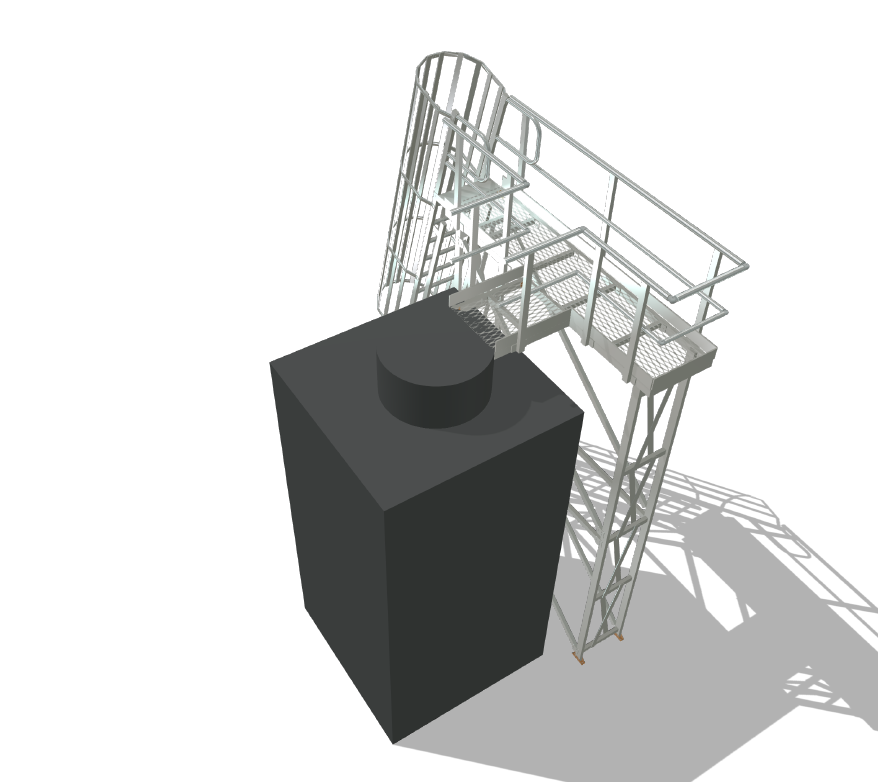
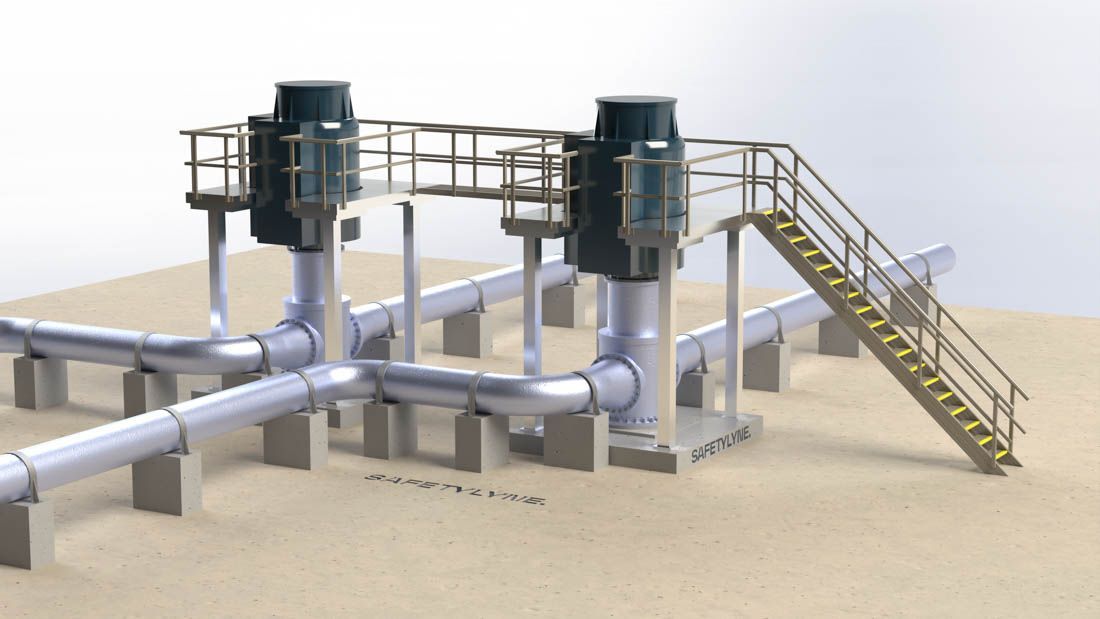
Fixed maintenance platforms around vessels, heat exchangers, compressors, and pumps. Designed to integrate with existing steelwork and give your team consistent, compliant access to the equipment they service regularly.
+ Pipeline Crossover Walkways
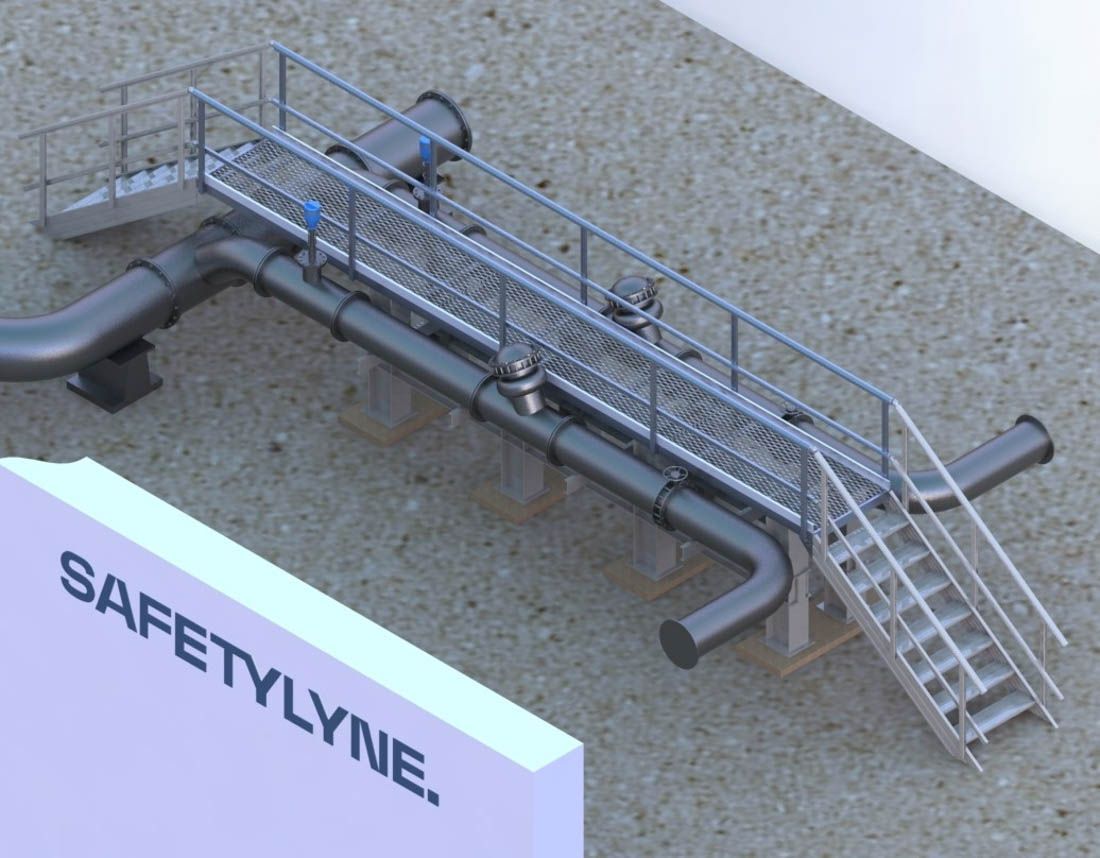
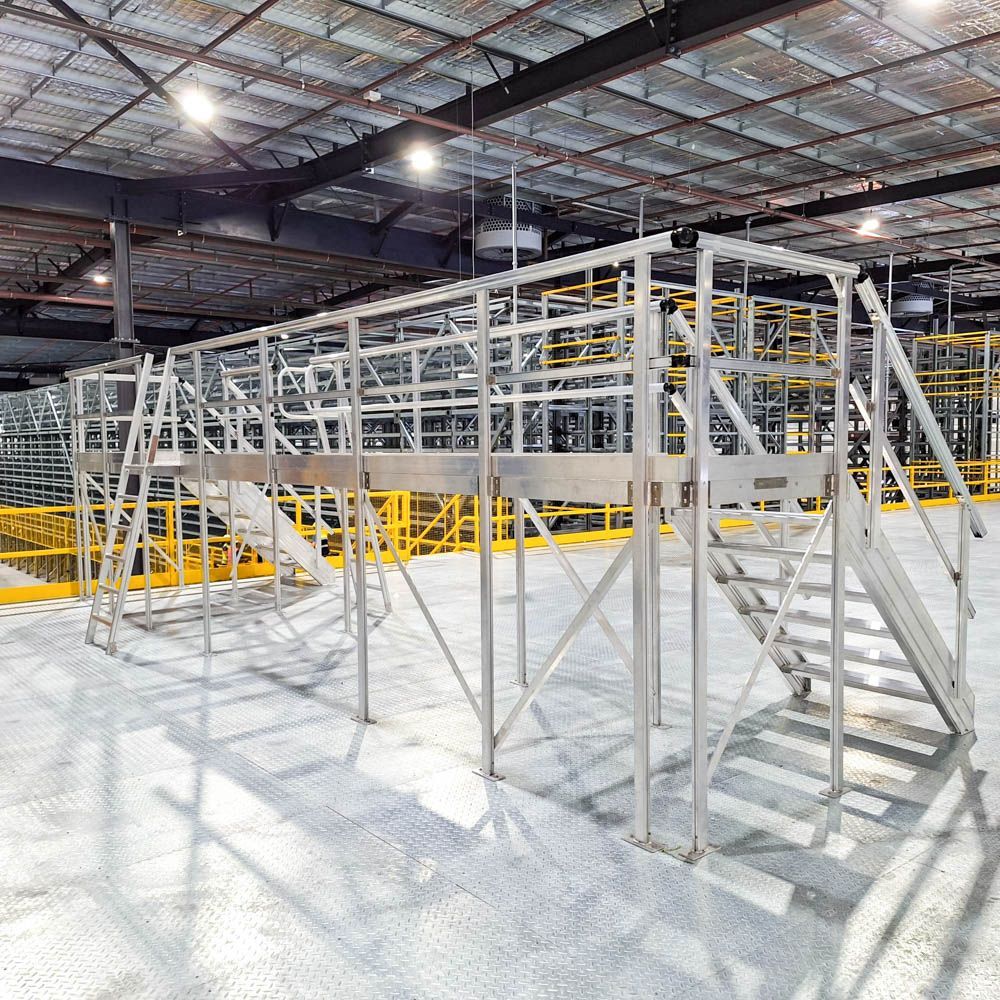
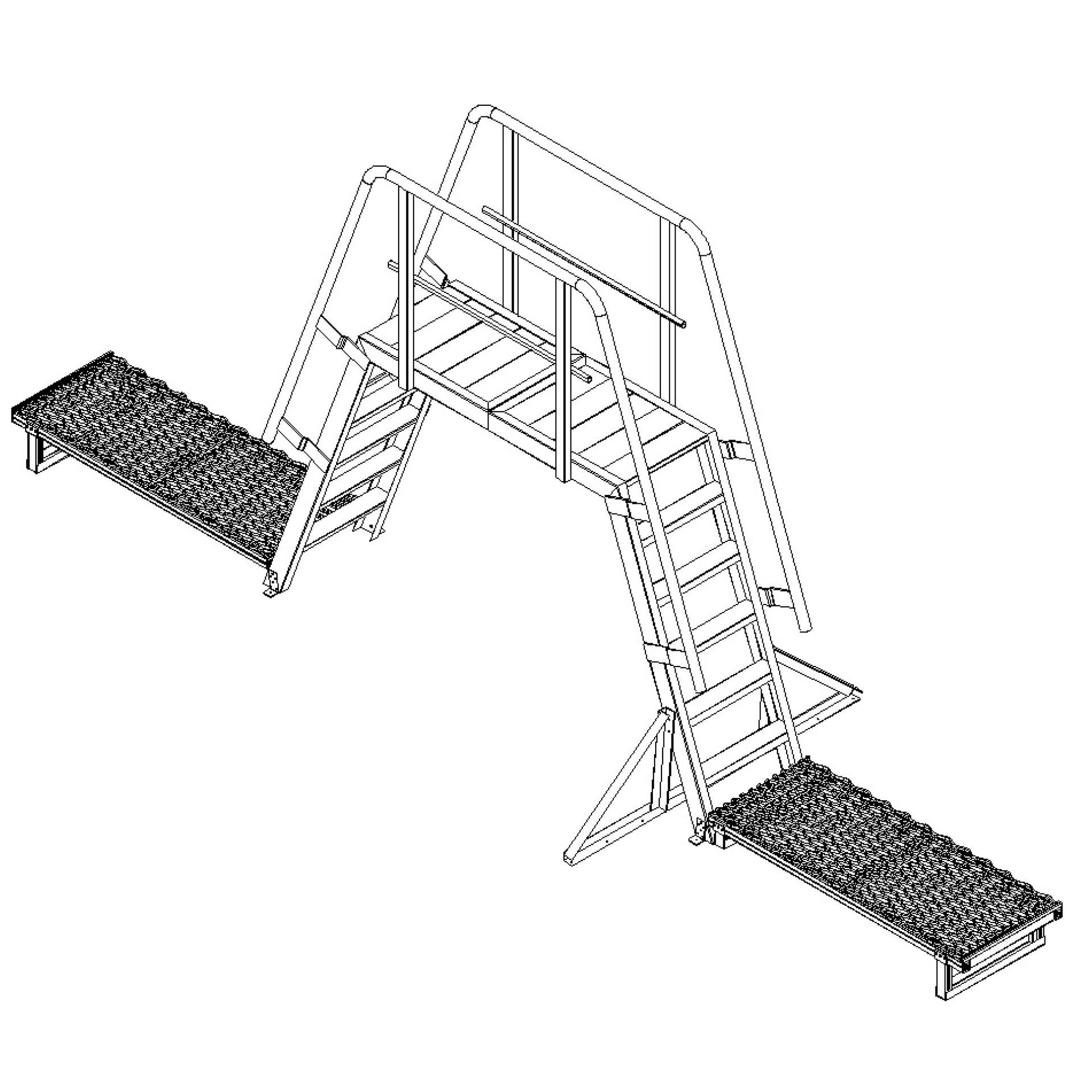
Elevated walkways over pipe racks are one of the most common access requirements on petrochemical and refinery sites. Safetylyne designs crossovers stairs to span existing pipe infrastructure without penetrating or loading the pipework, with clear headroom and full handrail compliance to AS 1657.
+ Chemical Dosing and Storage Area Access Platforms
Platforms and walkways for chemical dosing areas, IBC storage zones, and bulk chemical tanks. Aluminium is the right material for most of these environments - it doesn't corrode under atmospheric chemical exposure, it's easy to clean down, and it won't introduce a spark risk where that matters.
Where the exposure profile involves direct contact with strong alkalis, acids, or chlorinated compounds, we'll specify FRP grating as the platform surface. We'll tell you which is appropriate for your site.
+ Bunded Area Walkways
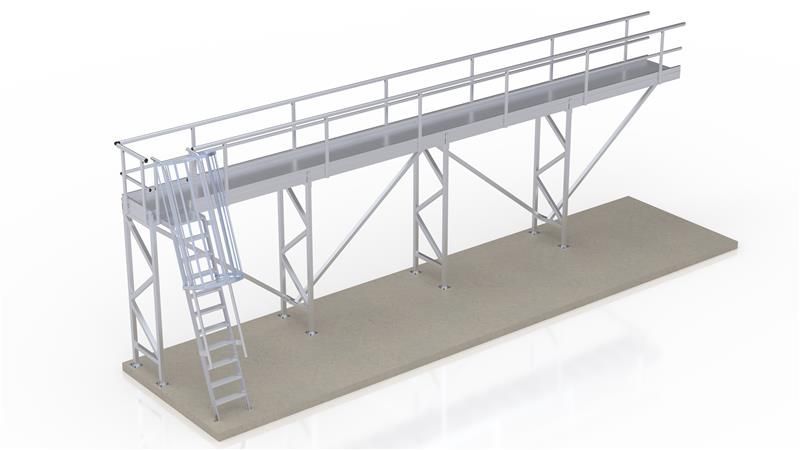
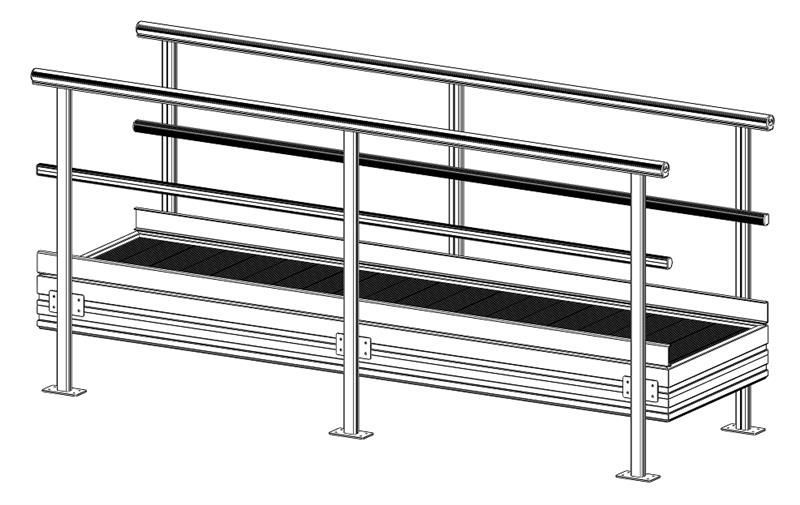
Spill containment bunds need access too, and penetrating the bund floor to install a platform base isn't always an option. Safetylyne designs bunded area walkways that span the containment zone, maintain the bund integrity, and give safe pedestrian access across the area.
+ Elevated Walkways for Liquid Management Areas
Elevated walkways across sumps, drainage channels, and liquid management infrastructure. Particularly relevant on sites where ground-level access is intermittently restricted by process activity or liquid containment requirements.
+ Refinery and Terminal Maintenance Platforms
Turnaround access, inspection platforms, and permanent maintenance structures for refineries, fuel terminals, and processing plants. Aluminium's weight advantage matters here + lighter sections mean faster installation on live sites and less load on existing structures.
Material Selection:
Aluminium and FRP
Most chemical and petrochemical access structures are specified in structural aluminium. It handles atmospheric corrosion well, requires no ongoing coating or repainting, and is significantly lighter than steel, which matters when you're installing over existing infrastructure on a live site.
Corrosion resistance in chemical environments
When aluminium is exposed to air, it forms a stable, transparent oxide layer on its surface. That layer seals the metal and stops further deterioration. Steel does the opposite - its oxide is unstable, keeps breaking down, and keeps rusting.
This is why an aluminium walkway in a chemical plant environment needs no repainting, no recoating, and no ongoing surface treatment across its service life.
Two situations where aluminium needs to be specified carefully: direct contact with concrete in wet or humid conditions (alkali reaction will attack the metal), and connections to dissimilar metals where non-conductive isolators are required to prevent galvanic corrosion. Both are straightforward to manage in design - we account for them as standard.
Walkway Grating and Flooring Surfaces
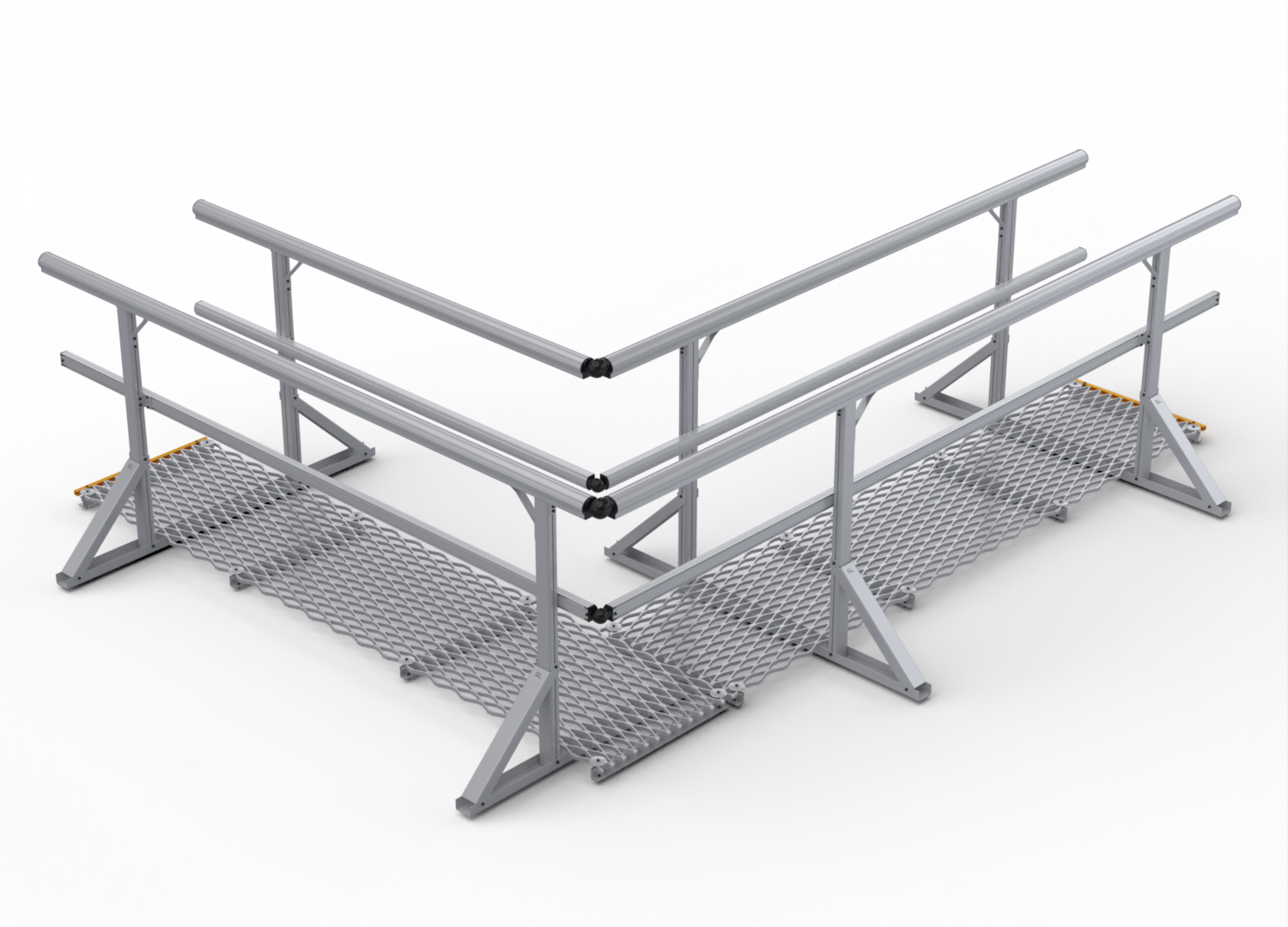
The right grating surface depends on the environment, the task, and what the platform sits above. Three options are commonly specified on chemical and petrochemical sites:
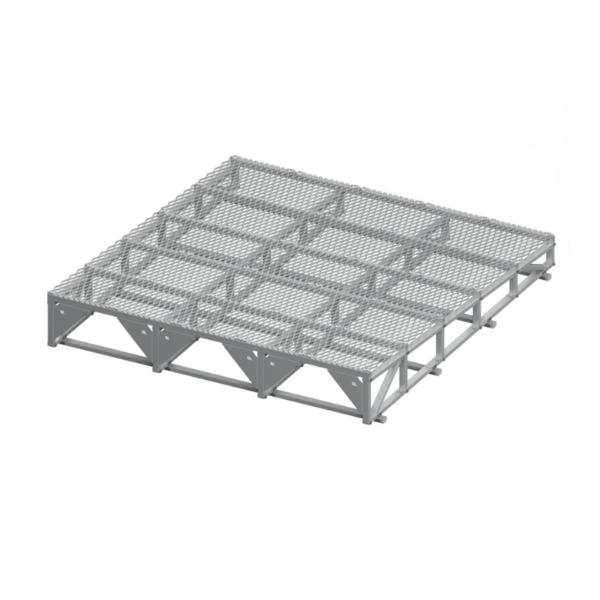
+ Aluminium open mesh grating - standard for most petrochemical and chemical environments. Self-draining, slip-resistant, lightweight. The right call where liquid or chemical splash is atmospheric rather than direct contact.
+ Aluminium chequerplate - solid surface for platforms requiring liquid containment on the deck, or where heavier foot traffic or equipment movement is involved.
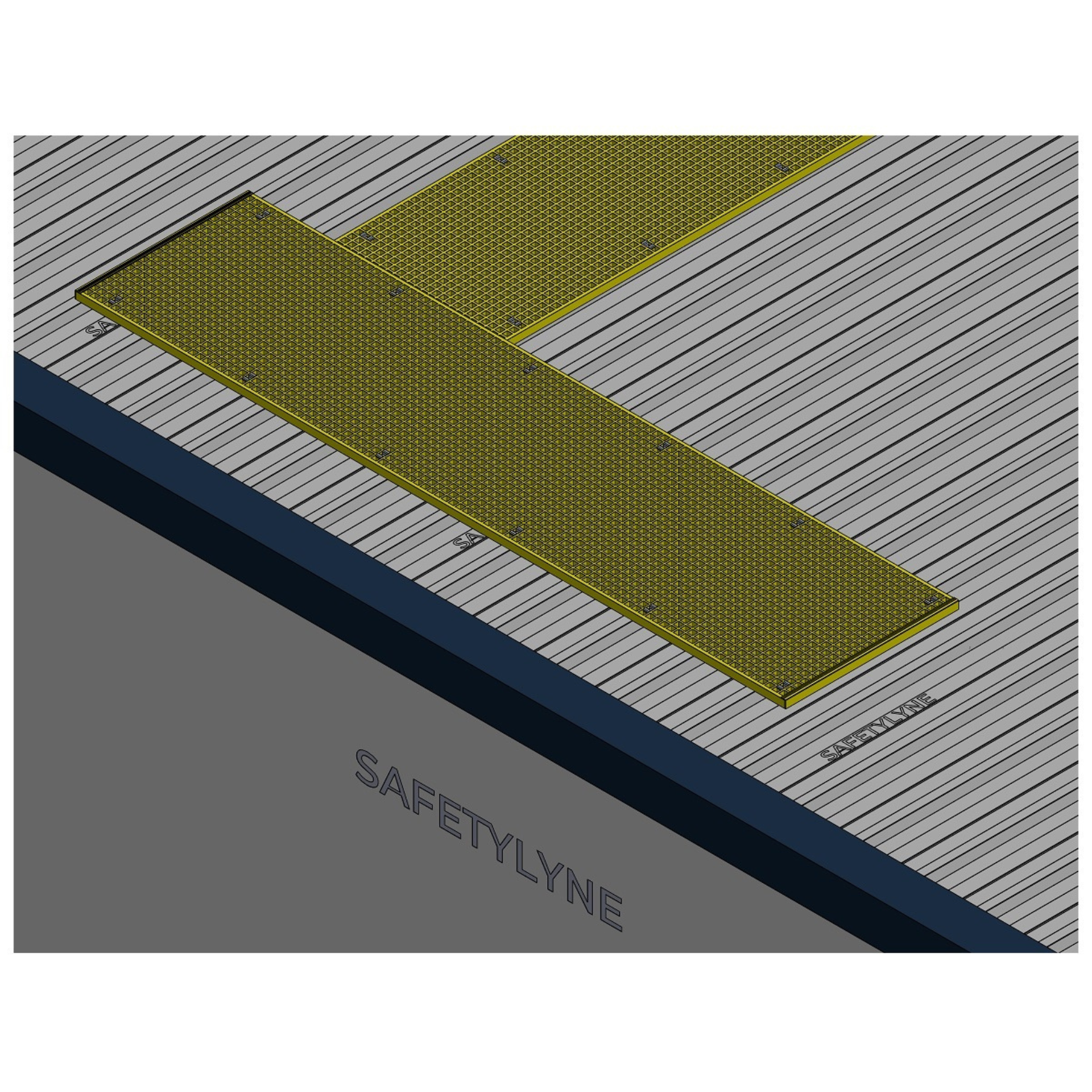
+ FRP grating - where the surface will have direct or repeated contact with aggressive chemicals, or where non-conductive properties are required. The structural frame stays aluminium; FRP is the grating surface only.
Material Selection: Aluminium and FRP
Most chemical and petrochemical access structures are specified in structural aluminium. It handles atmospheric corrosion well, requires no ongoing coating or repainting, and is significantly lighter than steel, which matters when you're installing over existing infrastructure on a live site.
When aluminium is the right call
• Atmospheric chemical exposure - fumes, humidity, salt air
• Elevated or roof-level structures where weight loading is a constraint
• Sites requiring fast installation with minimal disruption
• Long-term facilities where maintenance cost is a factor
When FRP is the right call
FRP (fibreglass reinforced polymer) walkway grating is specified where platform surfaces will be in direct or repeated contact with aggressive chemicals - strong acids, alkalis, or chlorinated compounds that would attack aluminium over time. It's also used where non-conductive properties are required.
We don't default to FRP, but we'll recommend it when the exposure profile demands it. The frame and structure can remain aluminium in most cases, it's typically the grating surface where FRP adds real value.
Chemical Dosing and Storage Area Access Platforms
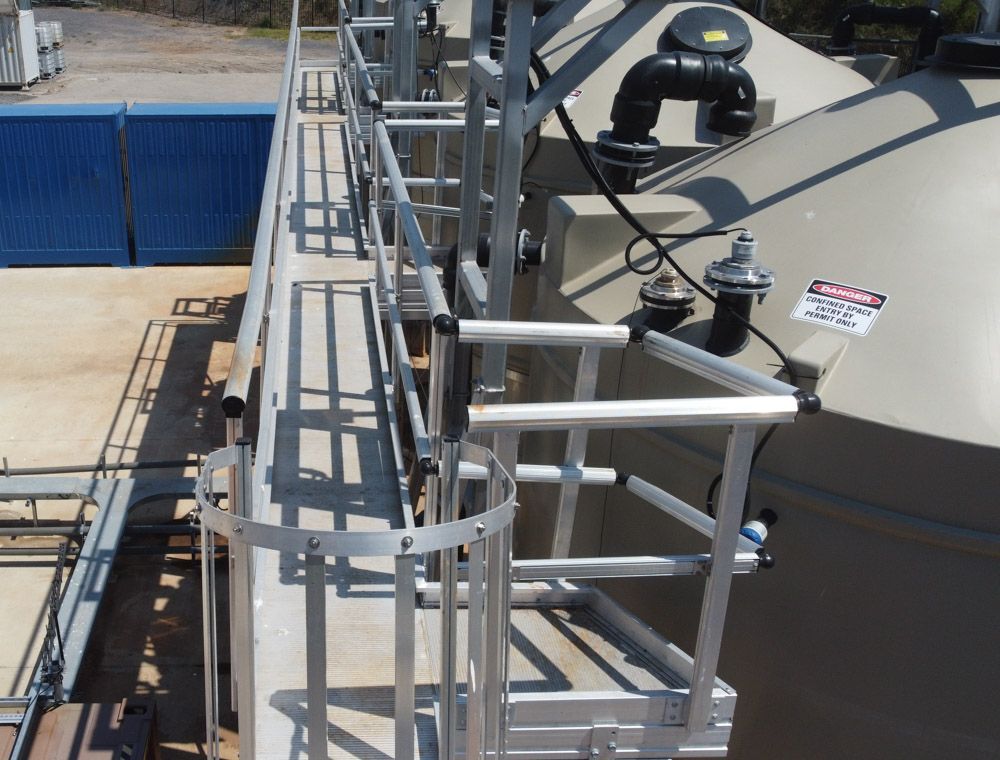
Platforms and walkways for chemical dosing areas, IBC storage zones, and bulk chemical tanks. Aluminium is the right material for most of these environments - it doesn't corrode under atmospheric chemical exposure, it's easy to clean down, and it won't introduce a spark risk where that matters.
Where the exposure profile involves direct contact with strong alkalis, acids, or chlorinated compounds, we'll specify FRP grating as the platform surface. Safetylyne consultant will suggest the appropriate access solution for your site.
Bunded Area Walkways
Spill containment bunds need access too, and penetrating the bund floor to install a platform base isn't always an option. Safetylyne designs bunded area walkways that span the containment zone, maintain the bund integrity, and give safe pedestrian access across the area.
Elevated Walkways for Liquid Management Areas
Elevated walkways across sumps, drainage channels, and liquid management infrastructure. Particularly relevant on sites where ground-level access is intermittently restricted by process activity or liquid containment requirements.
Refinery and Terminal Maintenance Platforms
Turnaround access, inspection platforms, and permanent maintenance structures for refineries, fuel terminals, and processing plants. Aluminium's weight advantage matters here - lighter sections mean faster installation on live sites and less load on existing structures.
Material Selection: Aluminium and FRP
Most chemical and petrochemical access structures are specified in structural aluminium. It handles atmospheric corrosion well, requires no ongoing coating or repainting, and is significantly lighter than steel, which matters when you're installing over existing infrastructure on a live site.
When aluminium is the right call
• Atmospheric chemical exposure - fumes, humidity, salt air
• Elevated or roof-level structures where weight loading is a constraint
• Sites requiring fast installation with minimal disruption
• Long-term facilities where maintenance cost is a factor
When FRP is the right call
FRP (fibreglass reinforced polymer) walkway grating is specified where platform surfaces will be in direct or repeated contact with aggressive chemicals like strong acids, alkalis, or chlorinated compounds that would attack aluminium over time. It's also used where non-conductive properties are required.
We will recommend it when the exposure profile demands it. The frame and structure can remain aluminium in most cases - it's typically the grating surface where FRP adds real value.
Australian Standards and Hazardous Area Compliance
All Safetylyne access structures for chemical and petrochemical facilities are designed and manufactured to AS 1657:2018 - Fixed platforms, walkways, stairways and ladders. This covers platform dimensions, handrail heights, load ratings, and slip resistance requirements.
Compliance with AS 1657 is required under the Work Health and Safety (WHS) Act across all Australian states and territories, making it the mandatory benchmark for industrial access design regardless of which state your facility operates in.
What this means in practice
+ Platforms designed to correct live and dead load specifications for the application
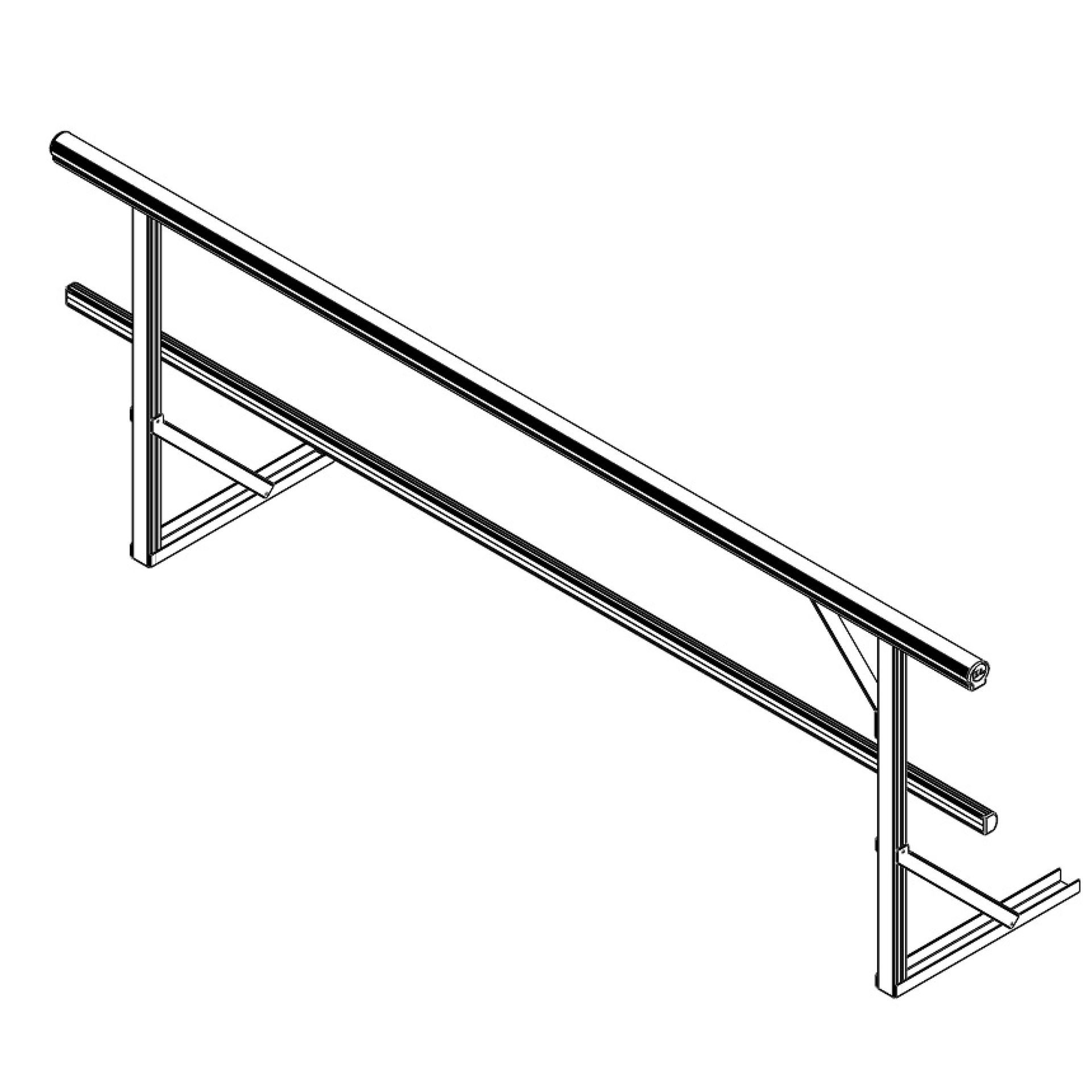
+ Handrail systems compliant with AS 1657 height and strength requirements
+ Non-slip grating surfaces rated to AS/NZS 4586
+ Documentation available for site safety management systems and EPC handover packages
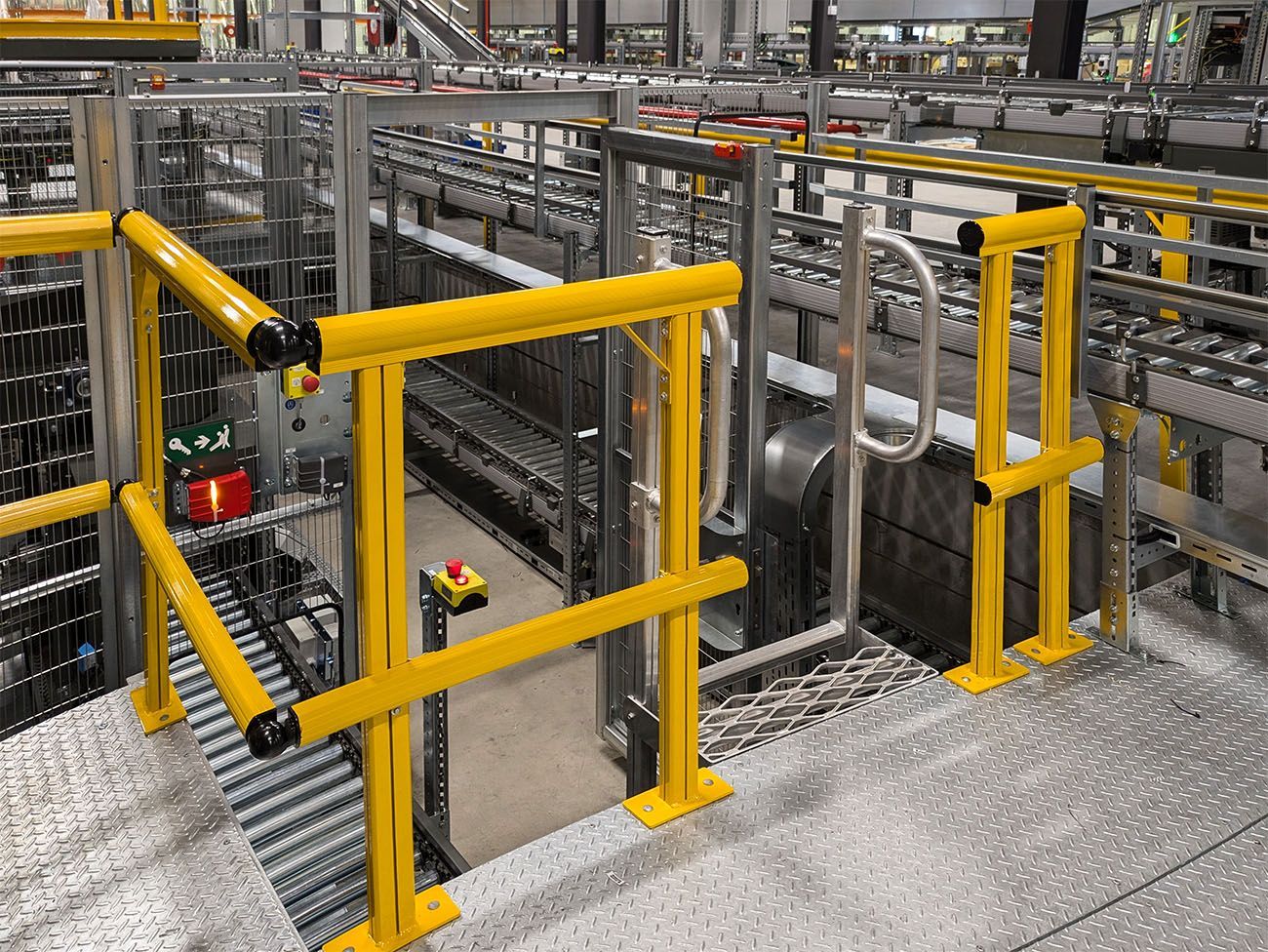
+ Self-closing gates at platform entry points, kick plates at open edges, and toe boards at all elevated working surfaces as standard
For hazardous area access platforms in classified zones, we work with the site's hazardous area documentation to ensure structure placement and material selection doesn't introduce ignition risks. Aluminium is non-sparking under normal contact loads, which is relevant in many Zone 1 and Zone 2 environments.
Designed Around Your Site, Not Around a Catalogue
Chemical and petrochemical sites have fixed infrastructure, operational constraints, and often limited windows for installation work. Off-the-shelf access solutions rarely fit that reality.
Safetylyne works from drawings or site measurements to design access structures that integrate with what's already there. For EPC projects, we can engage at the design stage and provide fabrication drawings for coordination with your structural and process disciplines. For operating facilities, we can work around live plant with minimal disruption.
What we need to scope your access structure
• Site drawings or dimensional sketches of the access area
• The equipment or infrastructure being accessed
• Access frequency and user load requirements
• Any known chemical exposure at the platform location
• Installation constraints (outage windows, crane access, live plant adjacency)
Chemical and Petrochemical Projects Across Australia
Safetylyne supplies and installs access structures for chemical plants, refineries, and processing facilities across WA, QLD, VIC, and SA. We're experienced with the access requirements and site conditions specific to Australia's major industrial precincts, including coastal and high-humidity environments where corrosion resistance is not optional.
Related Access Systems
Depending on your facility's requirements, these Safetylyne systems are commonly specified alongside petrochemical access platforms:
• Industrial walkways and elevated walkway systems
• Fixed platforms and plant decks
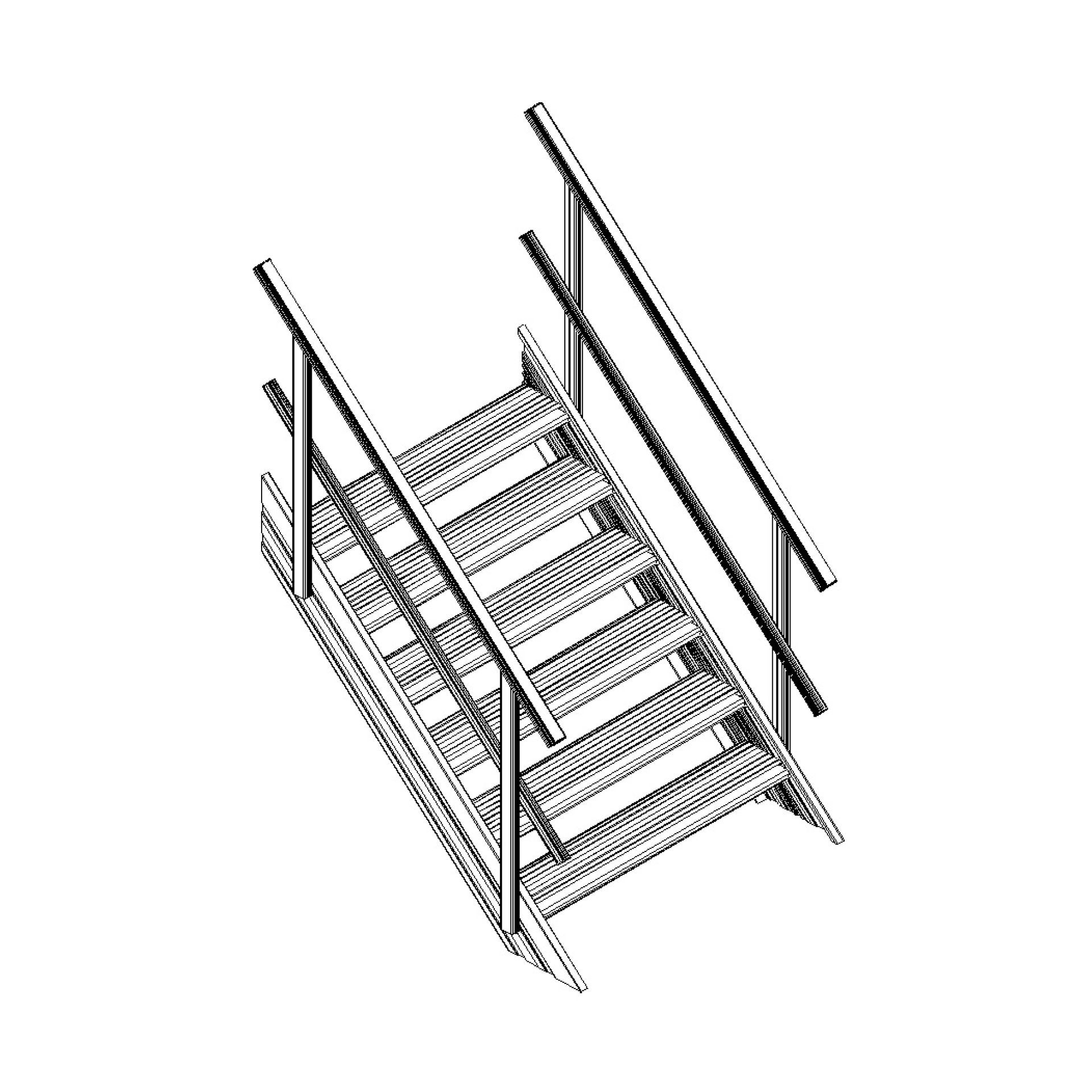
• Stair and ladder access systems
• Pipeline crossover structures
Q&A
Talk to Safetylyne About Your Access Requirements
If you're scoping access structures for a chemical or petrochemical facility, we can work from your drawings or site information and give you a considered recommendation on structure type, material, and installation approach.
We design, fabricate, and install - so you’re dealing with one team from drawings through to commissioning.

