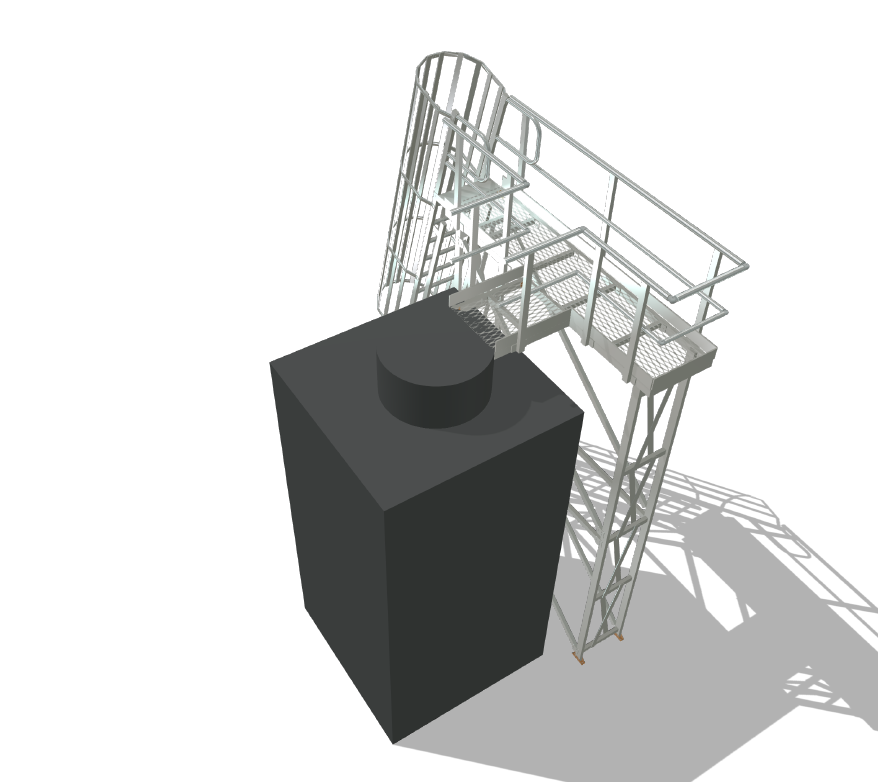
Engineered Access Systems for Water Treatment Facilities


Water treatment and wastewater facilities present access challenges which generic safety equipment cannot solve. Confined spaces, corrosive chemical environments, elevated tanks, filter galleries, wet wells and aeration basins all require access systems engineered specifically for the conditions.


Safetylyne designs, manufactures, installs and certifies access systems for water infrastructure, water treatment plants and sewerage utilities across Australia.


Every plant access system is engineered to site, fabricated, installed and certified by our Australian fabrication and install teams, guaranteeing quality control, with a tailored-to-project approach.


It means one point of accountability, tighter coordination with civil and structural teams, and access systems that are built for the asset, not adapted from a catalogue.


We collaborate with project managers and engineers to design, manufacture and install access systems built for the complexities of municipal and regional water infrastructure.

Designed and made in Australia. Trusted across industry and government.


Height Safety and Access Systems Across Water and Wastewater Treatment Zones


Each treatment zone has different structural, environmental and compliance requirements. Safetylyne engineers access systems for various types of water storage and infrastructure projects:


+ Reservoirs and water storage tanks access

Roof access hatches, walkways, access platforms, perimeter guardrails and fixed ladder systems for potable water tanks and service reservoirs.

+ Pump stations access

Platforms, stair access and confined space entry Systems for both above-ground and below-ground pump station configurations, including wet well access.

+ Clarifiers and sedimentation basins

Elevated walkways and inspection platforms across large-diameter structures are designed around operational access requirements and structural load constraints.

+ Aeration tanks access

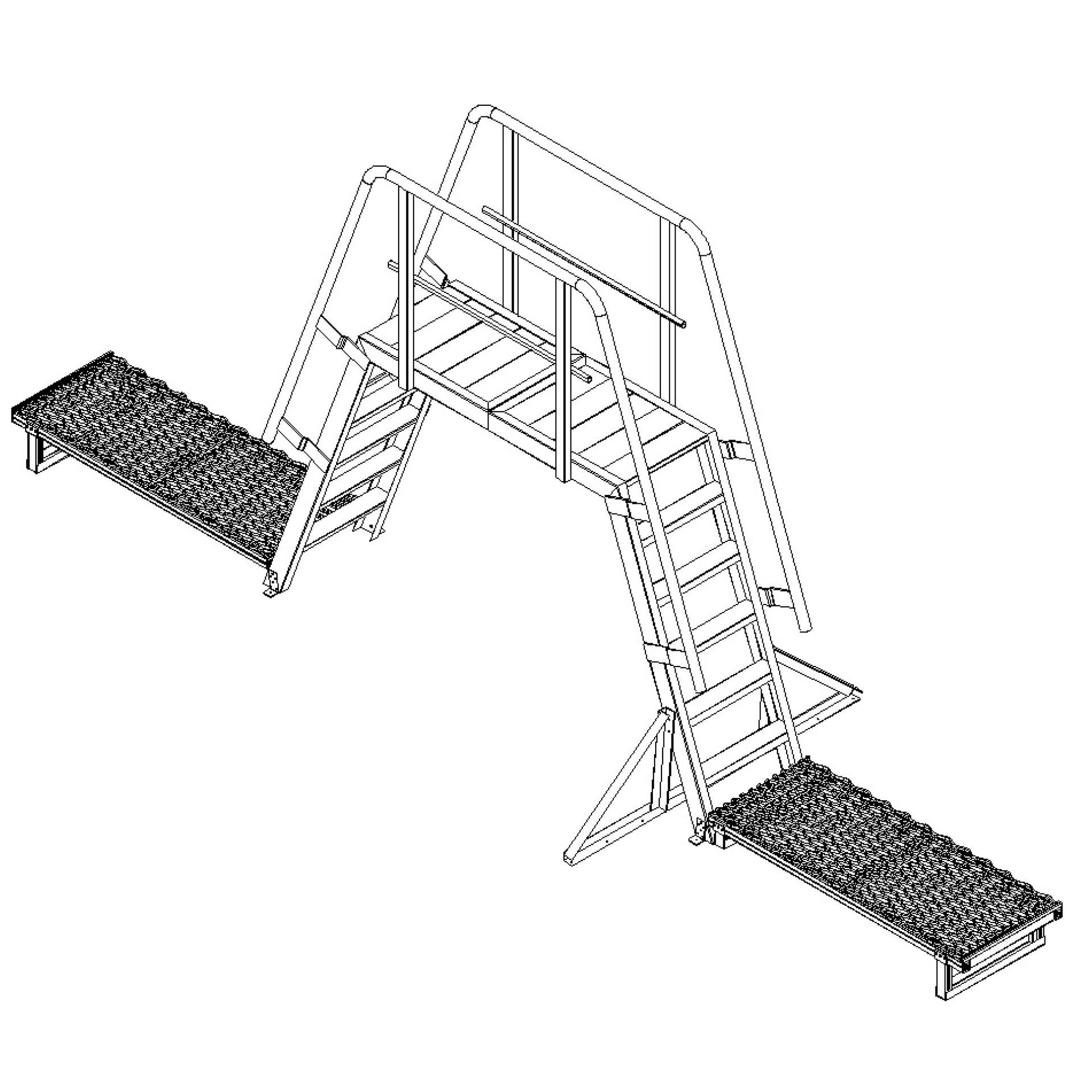
Crossover stairs and gantry walkways for safe access over aeration basins, with fixings and load ratings suited to the structure.

+ Chemical dosing and storage areas

Access platforms designed for regular maintenance access in chemical exposure environments, using materials specified for the chemicals present on site.

+ Sludge handling and dewatering areas - robust elevated platforms and stair systems suited to high-humidity, high-fouling environments.

+ UV and chlorination zones safe access

Compliant fixed access for routine servicing of disinfection equipment.

+ Pipe bridges and pipeline access solutions

Walkways and access structures over and alongside process pipework.
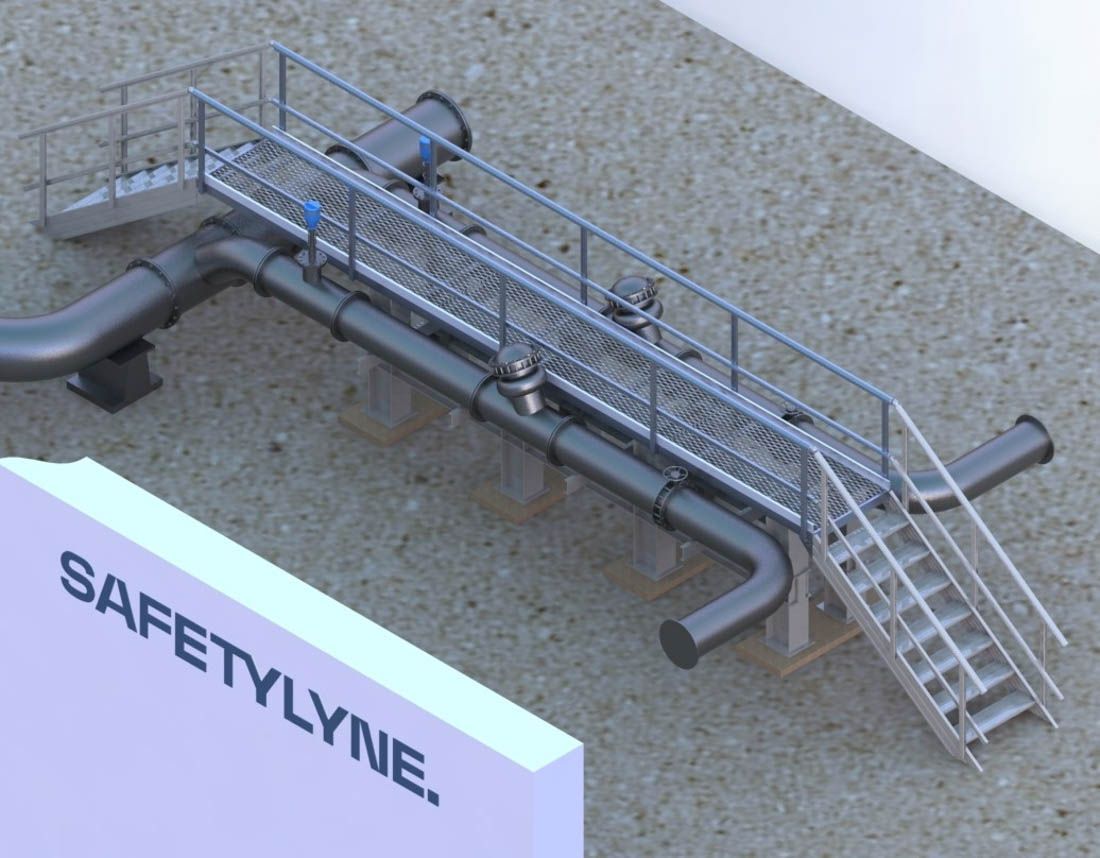
Crossover stairs and walkways for water reservoirs and pipes
water pump access platform design and manufacturing
Water treatment custom access platform and elevated wlakway

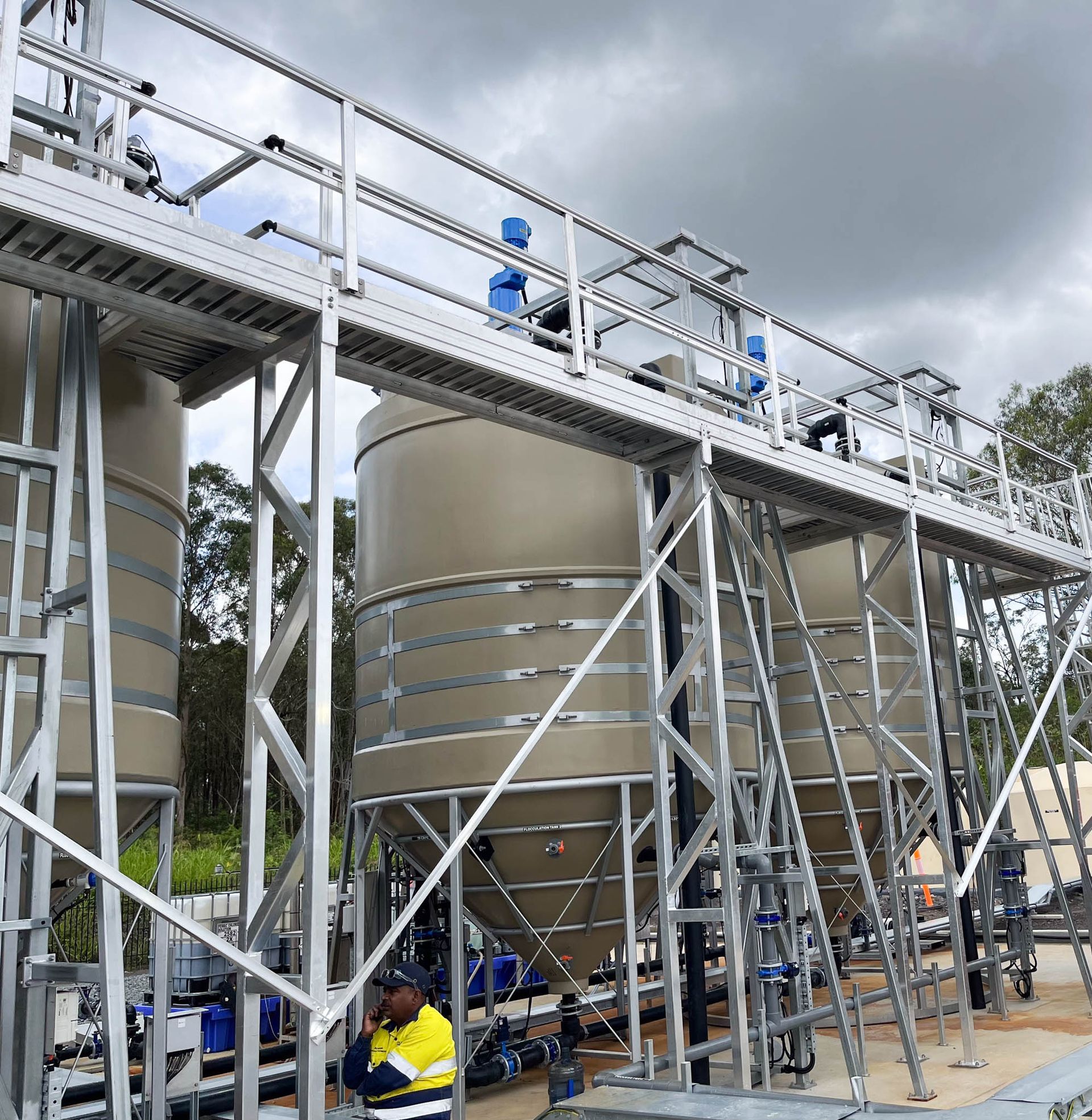
Modular and Custom Elevated Walkway Gantry Solutions For Water Reservoirs and Water Tanks


Water treatment facilities often require overhead or elevated access for servicing tanks, filters, pumps, and chemical dosing areas. Our gantry solutions include:


Lightweight Modular walkway gantries – flexible systems that adapt to changing site layouts

  • Production line gantries – supporting operational workflows in water processing
  • Assembly and maintenance gantries – enhancing access for plant upgrades
  • Servicing gantries and viewing gantries – for safe, efficient equipment maintenance
  • Lifting hoist providing the ability to lift and position plant and equipment for maintenance work

Our raised walkway gantry systems are engineered for reliability, compliance, ease of use and workers safety.

Design, Manufacture, Installation and Certification - Turn-Key Projects


We fabricate in our Australian manufacturing facility using  structural aluminium extruisions selected for corrosion resistance and long-term performance in humid, chemical and outdoor environments.


This process gives asset owners and project managers a single accountable party across the full scope - from design drawings through to as-built documentation and compliance certification.


This integration particularly matters for water infrastructure projects, where access systems often interface with structural elements, process equipment and confined space management plans.
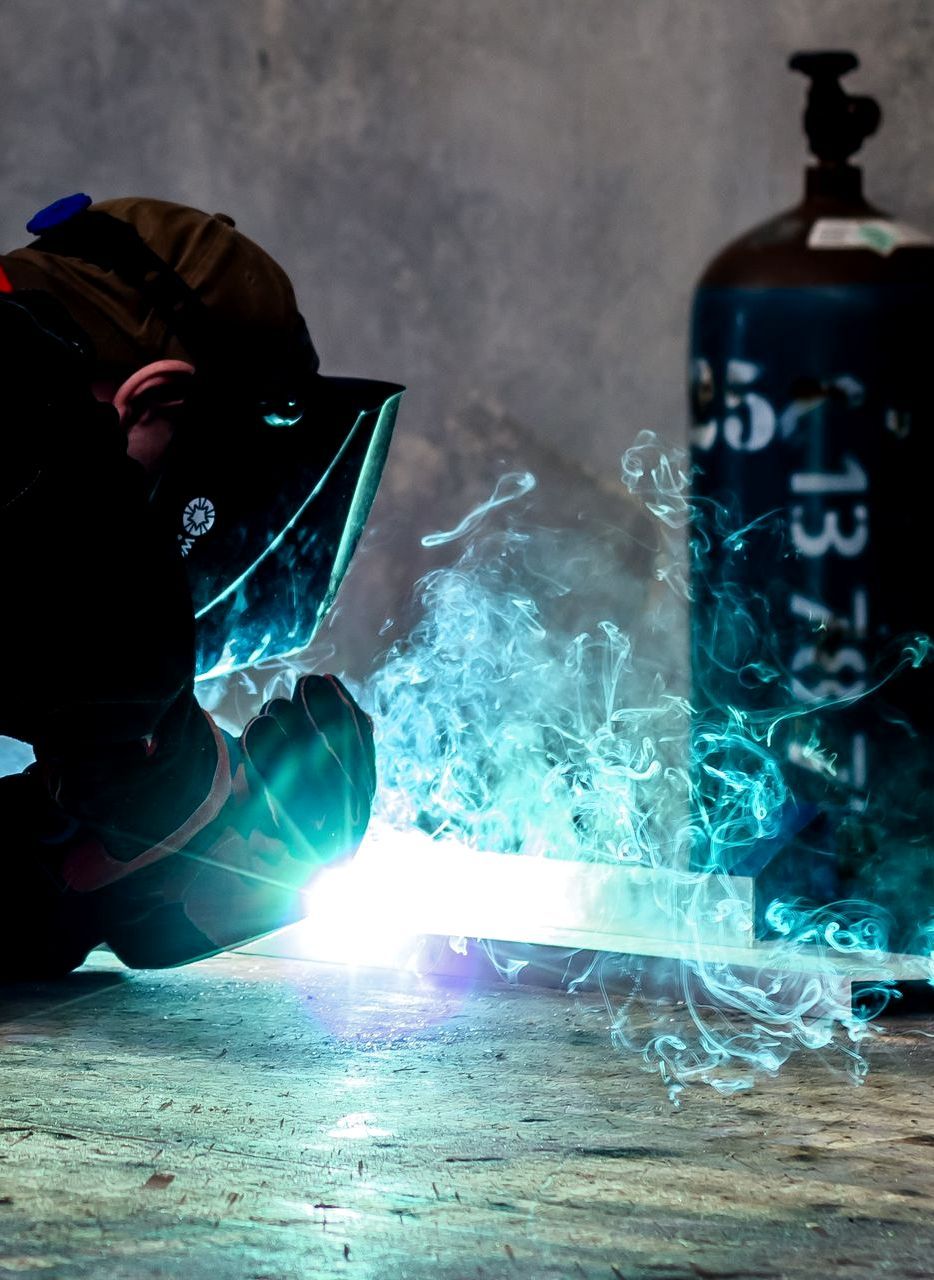
Australian manufacturer - aluminium welding for  non-corrosive water treatment

Australian Standards and Material Specifications for Water Infrastructure Access


Safetylyne uses structural aluminium throughout its water infrastructure access systems.

Aluminium provides a corrosion resistant solution, where steel corrodes in humid plant environments, near chlorination and chemical dosing equipment, and on exposed tank and reservoir structures.


It does not require ongoing paint maintenance and carries minimal risk of rust contamination near potable water assets.


All systems are designed and certified to relevant Australian Standards, including:

  • AS 1657:2018 - Fixed platforms, walkways, stairways and ladders
  • AS/NZS 1891.4:2009 - Industrial fall arrest systems
  • AS 2865 - Confined spaces (where applicable)
  • AS /NZS 1170: 2002 - Structural design actions
  • AS/NZS 1664:1997 and 1665: 2004 - welding of aluminium structures

Work Health and Safety obligations under the WHS Act apply to all permanent access structures. Safetylyne provides full compliance documentation as part of every project delivery.
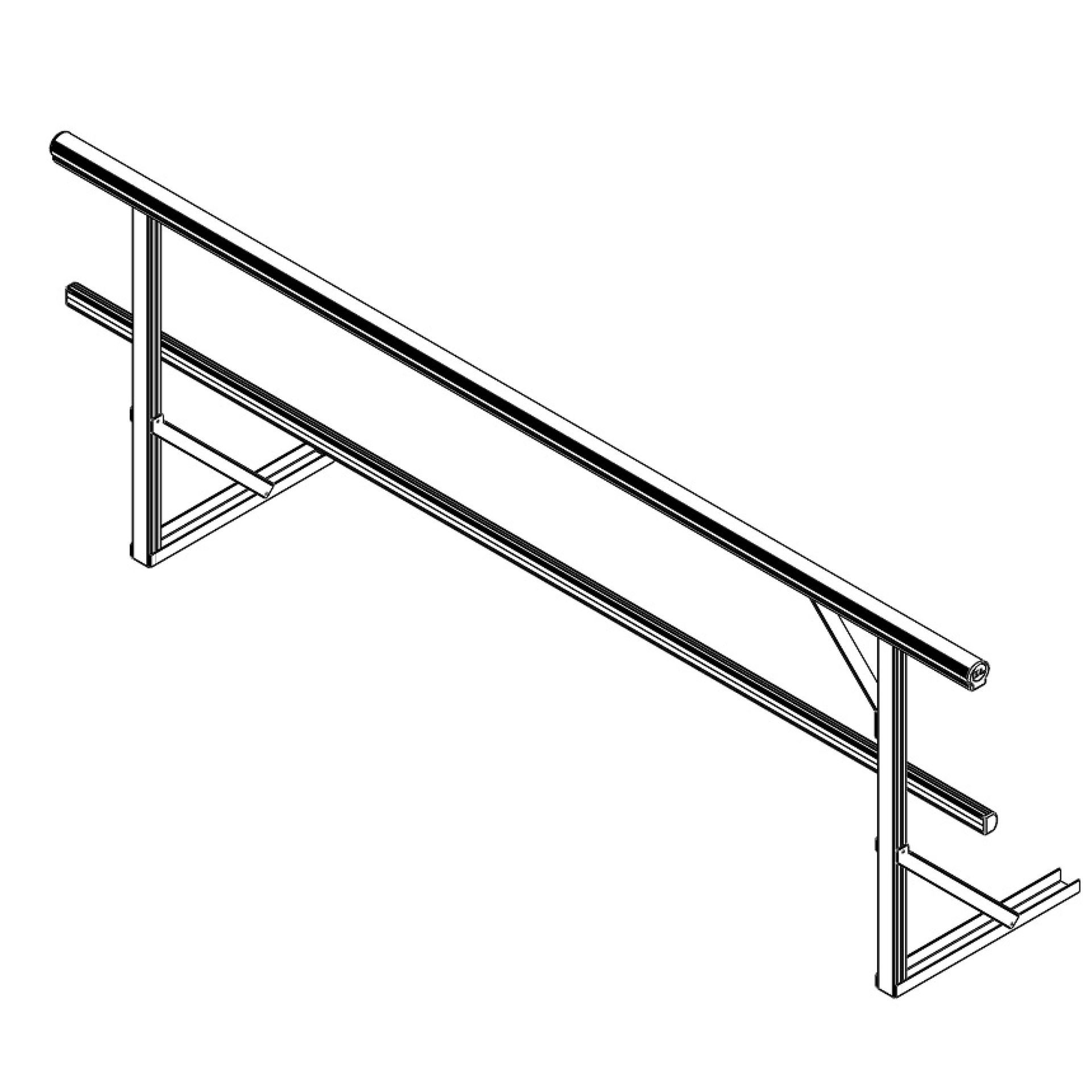
guardrails non-corrosive design for himd enveironments
Crossover stairs illustration
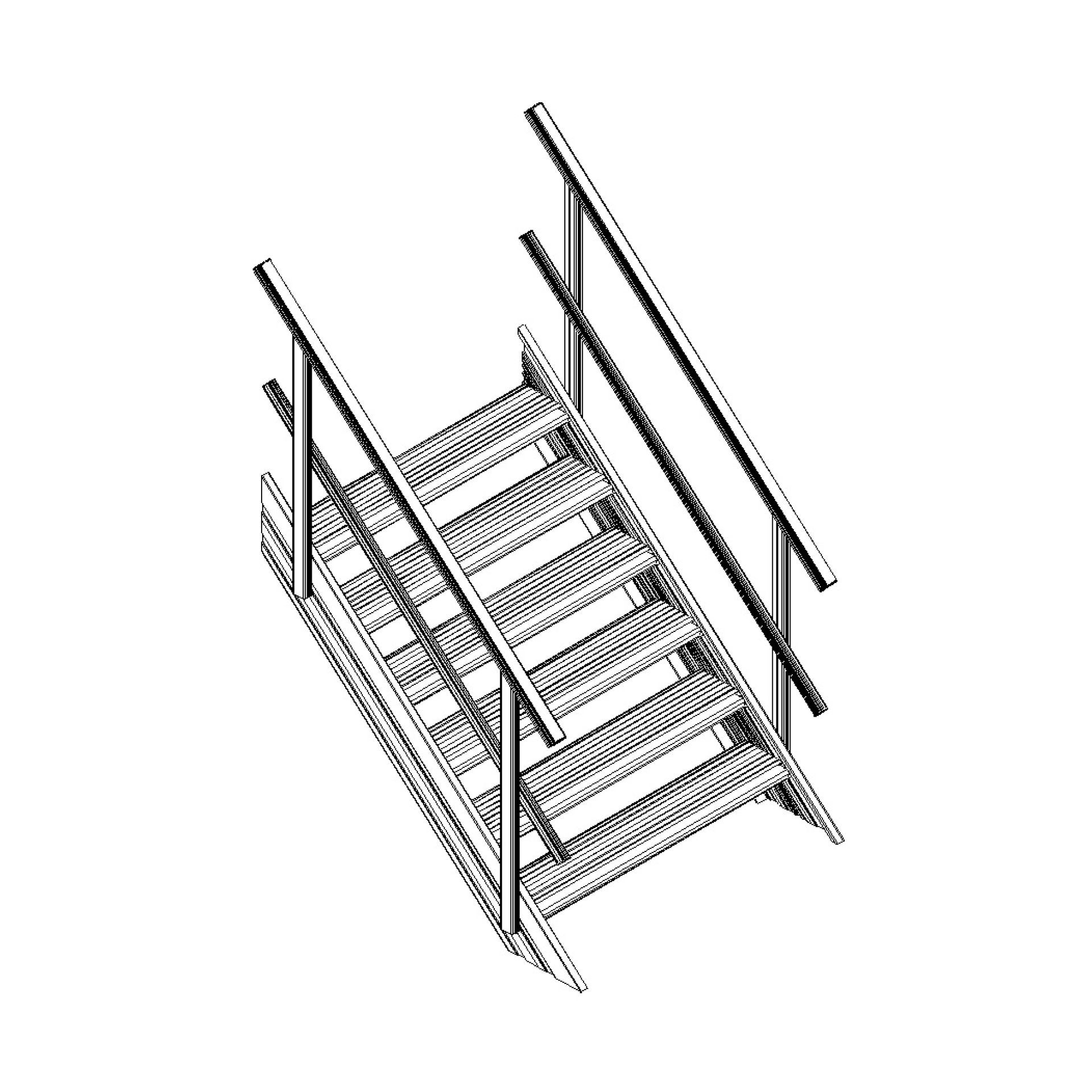
access stair design sketch
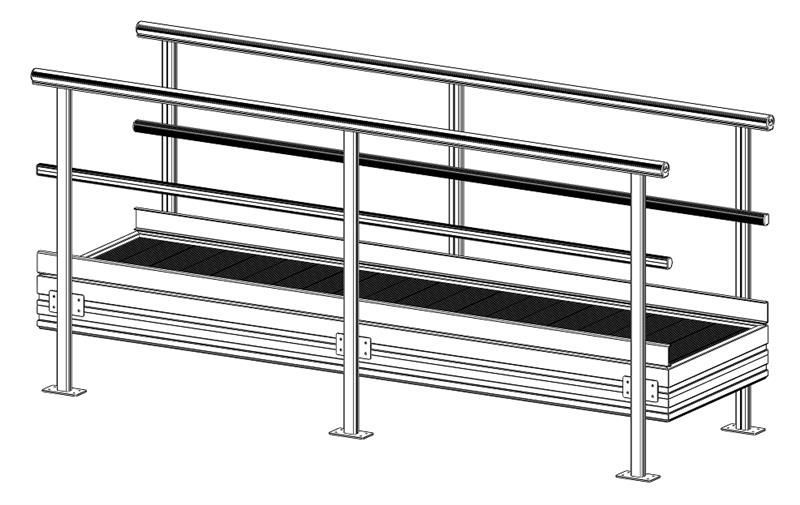
Gantry walkway design drawing for humid enveironments and water treatment plants

Safetylyne delivers fully certified, fit-for-purpose access systems across Australia.


Our clients include:

  • Water and sewerage utilities
  • Private industrial water treatment operators
  • Australian Government departments
  • State and local councils
  • Defence facilities
  • Airports and Airlines
  • Leading national construction contractors
  • Manufacturing facilities
  • Municipal and regional water authorities


We partner with asset owners, engineers, architects, and facility managers to solve complex access challenges - through proven design, in-house manufacturing, and national delivery.
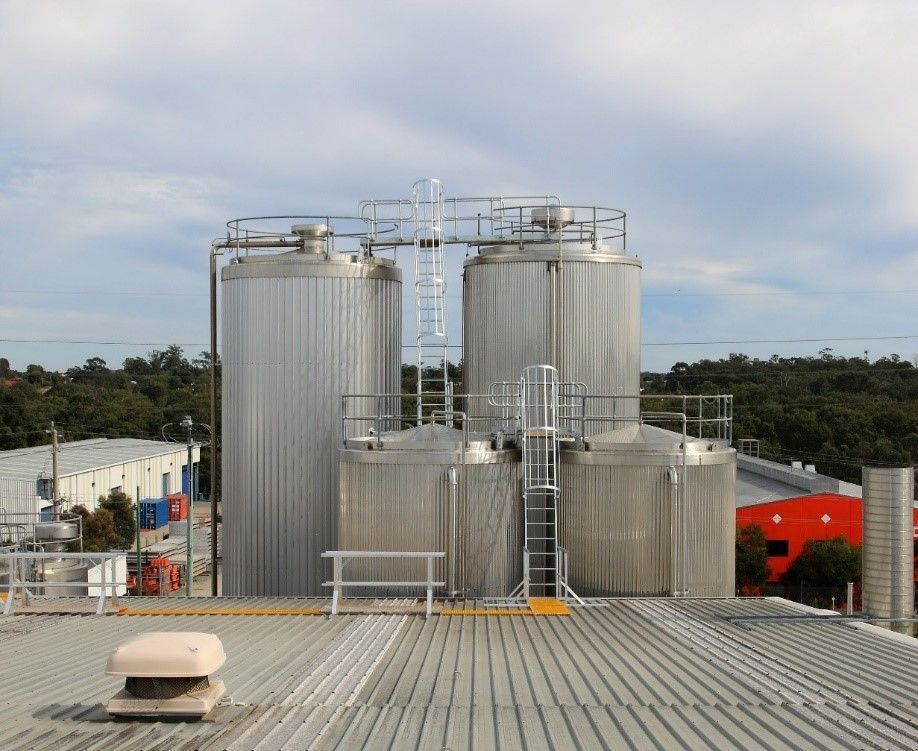
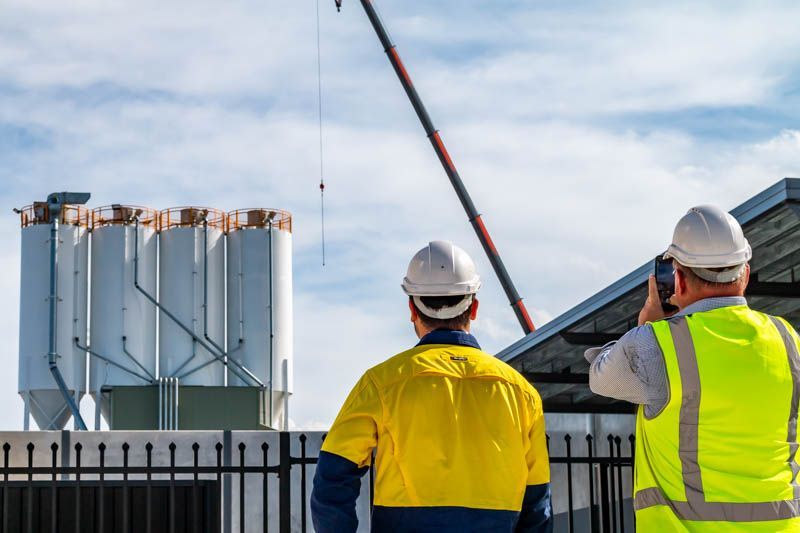


water reservoir tanks access solutions
liquid management tank access system  design and fabrication
WHAT ARE THE SAFETY REQUIREMENTS FOR ACCESS PLATFORMS IN AUSTRALIAN WATER TREATMENT FACILITIES?
<p class="rteBlock">Consider frequency of use and purpose, the environment (indoor or outdoor, corrosive / non-corrosive),  and specific areas which need access and access methodologies. </p><br><p class="rteBlock">Consult with Safetylyne height safety consultants to arrange a site assessment to establish ideal material and system configurations suited to the site needs and required compliance.</p><p class="rteBlock">Safetylyne can help to choose the best solution tailored to your needs. </p>
HOW DO I CHOOSE THE RIGHT ACCESS PLATFORM FOR A WATER TREATMENT PLANT?
<p class="rteBlock">Aluminium and stainless steel are the best material selection for corrosive environments where there is a likelihood of common steel with galvanised coatings corroding from contact with corrosive chemicals.</p><br><p class="rteBlock">Consideration must be given to the flooring and guardrail/balustrade systems to be selected appropriate for the application.</p><br><p class="rteBlock">Mesh floors to have an aperture of less than 12 mm, to limit falling objects, providing drainage capability.</p><p class="rteBlock"> </p>
WHAT DOES ACCESS PLATFORM INSTALLATION INVOLVE FOR INDUSTRIAL WATER TREATMENT PLANTS IN AUSTRALIA?
<p class="rteBlock">Installation at water treatment sites typically involves coordination with the facility&#x27;s operational schedule, often requiring staged access around live plant and infrastructure. </p><br><p class="rteBlock">Safetylyne manages this as part of project delivery - our installation teams work directly with site managers to minimise disruption to site operation movements to minimise any program delays. </p><br><p class="rteBlock">All fixings into structure are engineered, peer reviewed and documented. </p><br><p class="rteBlock">Post-installation, we complete commissioning checks of all scope elements satisfy client&#x27;s sign-off requirements and issue compliance certification with as-built drawings.</p>
WHAT ARE CUSTOM ELEVATED WORK PLATFORMS USED FOR IN WATER TREATMENT PLANT MAINTENANCE?
<p class="rteBlock">Elevated work platforms provide fixed, permanent access to equipment and services which require regular inspection, servicing or adjustment - pumps, valves, instrumentation, filter media, dosing equipment, aeration diffusers. </p><br><p class="rteBlock">Fixed platforms reduce reliance on mobile elevated work platforms (MEWPs), which are slow to set up, require trained operators and cannot always access confined or elevated plant zones. </p><br><p class="rteBlock">Custom-engineered platforms are designed to the exact height, geometry and load requirements of the equipment being maintained, considering all ergonomic demands.  </p>
WHERE CAN I BUY ACCESS PLATFORMS DESIGNED SPECIFICALLY FOR WATER TREATMENT PLANTS?
<p class="rteBlock">Standard access platforms are available through industrial equipment distributors, but water treatment facilities all have the unique requirements and rarely have standard access problems. </p><br><p class="rteBlock">Tank geometry, chemical exposure, confined space interfaces and structural attachment points typically require a custom-engineered solution.</p><br><p class="rteBlock">Safetylyne designs, fabricates and installs custom access systems for water infrastructure across Australia, with full compliance documentation. </p>
WHAT AUSTRALIAN STANDARDS APPLY TO PERMANENT ACCESS STRUCTURES IN WATER PLANTS?
<p class="rteBlock">The primary standard is AS 1657:2018, covering fixed platforms, walkways, stairways and ladders. Fall protection systems must meet AS/NZS 1891.4:2009. </p><br><p class="rteBlock">Where access involves confined spaces, AS 2865 governs the design of entry and rescue systems. </p><br><p class="rteBlock">Building Code of Australia requirements may also apply to access structures.</p><br><ul class="rteBlock defaultList"><li>AS 1657:2018 - Fixed platforms, walkways, stairways and ladders</li><li>AS/NZS 1891.4:2009 - Industrial fall arrest systems</li><li>AS 2865 - Confined spaces (where applicable)</li><li>AS /NZS 1170: 2002 - Structural design actions</li><li>AS/NZS 1664:1997 and 1665: 2004 - welding of aluminium structures</li><li>Work Health and Safety obligations under the WHS Act apply to all permanent access structures. </li><li>AS/NZS 1428 - designed for access and mobility. AS/NZS 1428 is designed for access and mobility to areas open to area where disabaled persons could access.</li></ul><br><p class="rteBlock">Safetylyne provides full compliance documentation as part of every project delivery.</p><br><p class="rteBlock">Safetylyne designs to all applicable standards and provides compliance documentation on project completion.</p>
DOES SAFETYLYNE MANUFACTURE ITS OWN ACCESS SYSTEMS?
<p class="rteBlock">Yes. Safetylyne designs, engineers, fabricates, installs and certifies all access systems from our Australian workshop. </p><br><p class="rteBlock">Safetylyne Project teams provide a single point of accountability across the full scope - from concept design through to as-built certification.</p>
WHAT MATERIALS DOES SAFETYLYNE USE FOR WATER TREATMENT PLANT ACCESS SYSTEMS?
<p class="rteBlock">Safetylyne uses structural aluminium as the primary material for water infrastructure access systems. </p><br><p class="rteBlock">Aluminium is hydrophobic, non-corrosive and requires no paint or coating maintenance - making it well-suited to the humid, chemical-laden environments common in water and wastewater treatment facilities.</p><br><p class="rteBlock"> It also reduces ongoing asset maintenance costs compared to painted steel alternatives.</p><br><p class="rteBlock">Stainless steel fixings and fibre-reinforced polyester (FRP) floors may also be introduced to minimise corrosion risk and improve serviceability. </p>

Safetylyne delivers water infrastructure access systems across Australia, from single pump station platforms to multi-zone access schemes across larger-scale water treatment projects.


To discuss your project, contact our team or submit your site details for a design consultation.


Access Solved


CONTACT OUR TEAM

Contact Us