
Structural Load Considerations for Roof Access Systems
Solving Roof Load Challenges
Every kg on a roof affects the building’s structural capacity.
Designing a new project or upgrading an old one requires staying within strict weight limits. Adding heavy safety systems can force you to use larger beams or add expensive internal supports. Lightweight aluminium and load-spreading "rafts" let you install the safety systems you need without overloading the structure.
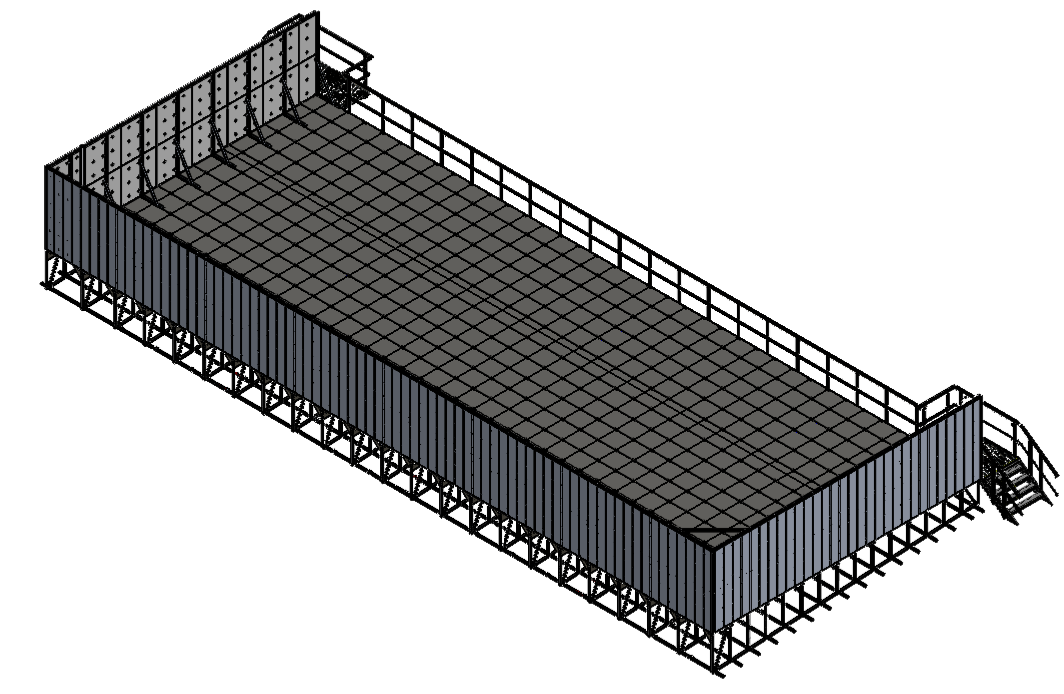
Most older buildings have narrow margins for extra dead load. Adding new plant equipment often pushes a structure to its limit, risking roof buckling or requiring internal reinforcements. Using high-tensile aluminium and load-distributing "rafts" allows you to integrate safety systems while staying within original design limits.
1. Cut Dead Load to Save on Steel Costs
Lightweight access systems reduce the total load on the roof steelwork. This lets you optimise purlin and rafter sizes to save on material costs across the project.
- The Engineering: Aluminium has a high strength-to-weight ratio.
- The Result: Aluminium walkways, ladders, and plant decks cut self-weight by over 50%. This keeps the project within the building's spare structural capacity.
2. Stop Point-Load Failure and Rib Buckling
Concentrated point loads from equipment legs or stubs buckle metal roof ribs and puncture membranes.
- The Engineering: Safetylyne uses engineered spreader bars to share weight across 20 to 30 fixing points.
- The Result: Force transfers directly into the purlins or trusses. This protects the roof skin from localized stress and fatigue.
3. Manage Wind Uplift (AS/NZS 1170.2)
Tall ladders and HVAC screens add "sail area" to a roof. In Australia, wind uplift often exceeds the downward weight of the equipment.
- The Engineering: Every system is calculated for wind uplift based on building height and wind region.
- The Result: Engineered frames and fixings stay secure under peak loads, preventing material fatigue at connection points.
4. Prevent Galvanic Corrosion and Protect Warranties
Incompatible metals touching a roof sheet cause galvanic corrosion. This "battery effect" can destroy a roof in months.
- The Engineering: Non-corrosive aluminium and material-compatible fixings prevent rust.
- The Result: This protects the watertight warranty and the building's asset value for its 25-year lifespan.
5. Simplify Seismic Compliance (AS 1170.4)
Building codes require rooftop equipment to be secured against seismic activity.
- The Problem: Heavy platforms increase "inertial mass," making seismic compliance harder to achieve.
- The Solution: Lightweight aluminium systems reduce this mass. This simplifies seismic bracing requirements for the primary structure.
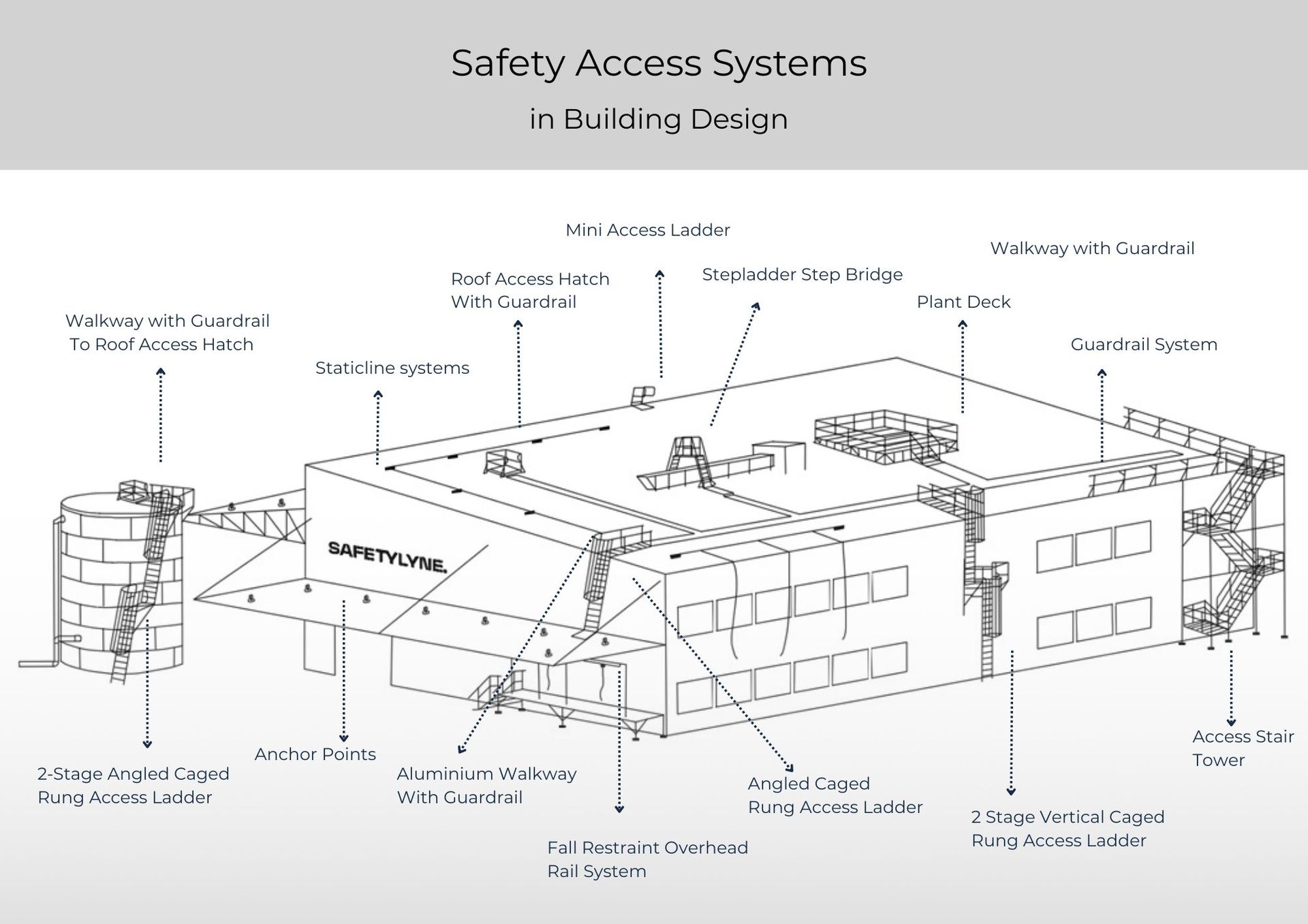
We recently collaborated with a project team on a project that required a massive volume of rooftop HVAC equipment.
To support the weight without compromising the roof, our in-house engineering team designed an extra-large plant deck.
We worked directly with the Project Manager to calculate every load point and deflection limit. This ensured the massive footprint stayed structurally sound without needing heavy steel supports.
Frequently Asked Questions
HAVE A COMPLEX ROOF LOAD CHALLENGE?
Send us your roof layout or structural drawings.
Our in-house engineering team will review your specs and provide a load-distribution layout that stays within your building's limits and suggest the best roof access systems possible for your roof plant equipment.
GET A TECHNICAL REVIEW- contact our team today.

