
Green Star Rating for Commercial Buildings
What Does Green Star Mean and How to Design for It
Green Star ratings measure how well a building performs across sustainability, efficiency, and long-term impact. Architects and designers in Australia use Green Star to guide decisions that reduce environmental impact while improving building performance over time.
The difference between a standard project and a high-performing Green Star building often comes down to early design choices. Materials, access, maintenance strategy, and lifecycle thinking all play a role.
What is a Green Star Rating?
Green Star is Australia’s sustainability rating system for buildings, developed by the Green Building Council of Australia (GBCA).
Projects are rated from 4 to 6 Stars:
- 4 Star – Best Practice
- 5 Star – Australian Excellence
- 6 Star – World Leadership
Ratings assess categories like energy, materials, emissions, and long-term operational performance.
Why Green Star Matters for Commercial Projects
A Green Star rating is not just about sustainability targets. It impacts how a building performs, operates, and retains value.
Key benefits of obtaining a green star rating:
- Lower operational costs through energy efficiency
- Higher asset value and tenant appeal
- Improved lifecycle performance
- Alignment with ESG and government requirements
- Future-proofing against regulatory changes
- For designers, it creates a framework to make better decisions early, rather than retrofitting solutions later.
How Architects Achieve a 5 or 6 Star Green Star Rating
High-performing Green Star projects are not achieved through one product or system. They come from coordinated design decisions.
Green star strategies include:
- Selecting low-impact, responsibly sourced materials
- Designing for long-term durability and low maintenance
- Enabling renewable energy systems like solar PV
- Reducing waste through modular and adaptable systems
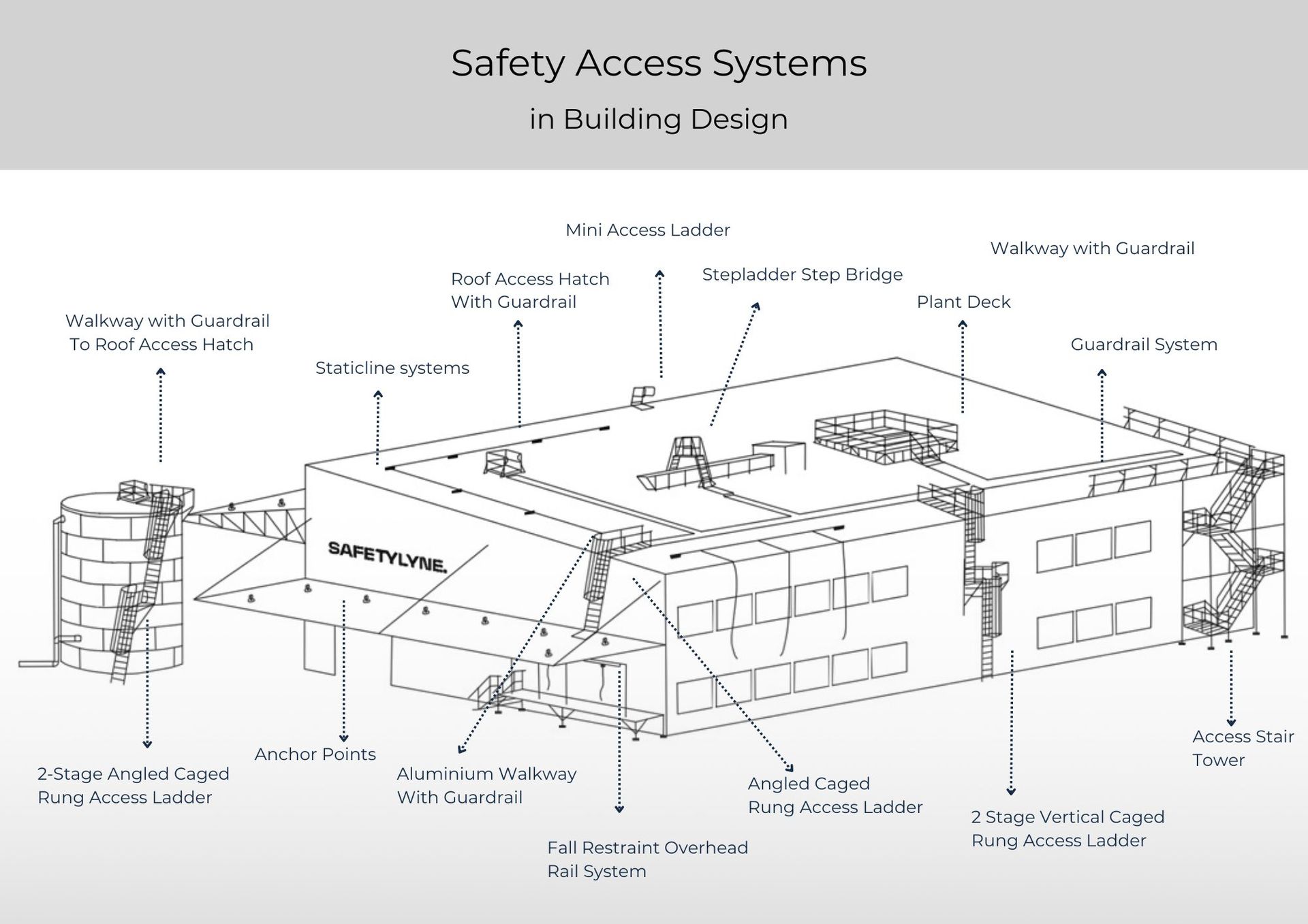
- Planning safe, permanent access for ongoing maintenance
This last point is often overlooked.
If building systems cannot be safely accessed, they cannot be maintained. That directly impacts performance over time.
Which Materials Contribute Most to a Green Star Rating?
Material selection in building design and engineering plays a major role in Green Star outcomes.
Building designers typically prioritise:
- Recyclable materials with low lifecycle impact
- Locally manufactured products to reduce transport emissions
- Materials with verified responsible sourcing
Durable systems that extend asset lifespan
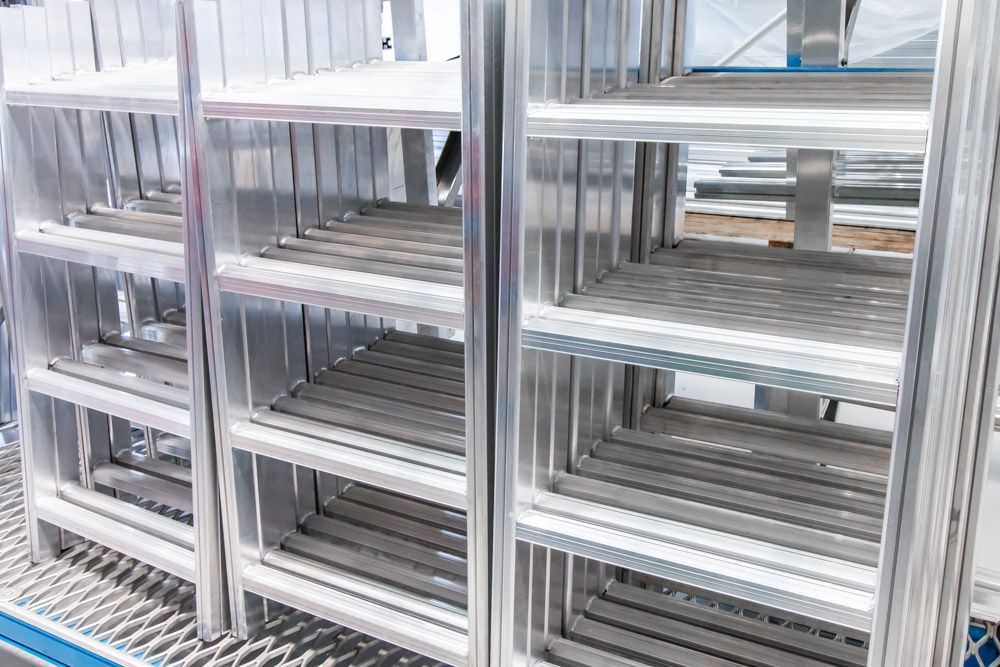
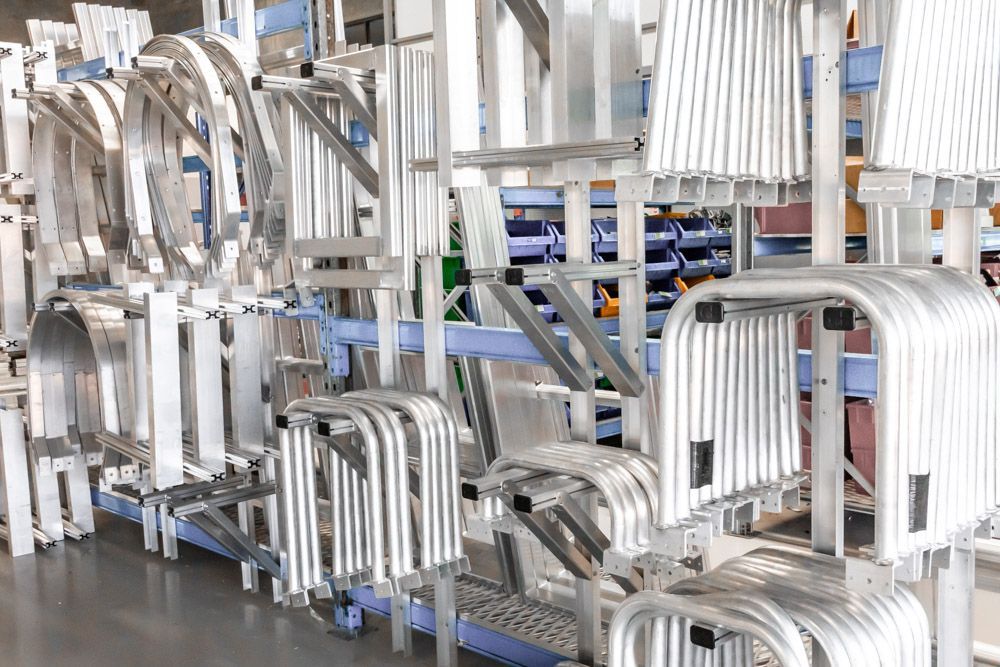
Aluminium is widely used in high-performance projects due to its recyclability, corrosion resistance, and long service life.
How to Improve an Existing Building’s Green Star Performance
Upgrading an existing building requires a different approach.
Focus areas:
- Improving access to maintain rooftop plant and solar systems
- Replacing short-life or high-maintenance materials
- Introducing modular systems that adapt to upgrades
- Reducing waste through retrofit-friendly design and recyclable materials
Green star performance can also depend on how well those systems can be maintained over time.
The Overlooked Factor: Maintenance Access and Green Star Performance
Most Green Star discussions focus on materials and energy systems.
However, performance depends on something more practical.
Solar panels need cleaning. HVAC systems need servicing. Roof plant equipment always needs ongoing maintenance.
Without safe, permanent access:
- Maintenance becomes inconsistent and difficult to sustain
- System performance can drop
- Lifecycle assumptions fail
This is where
access systems move from “compliance” to “performance infrastructure.”
How Safetylyne Supports Green Star Outcomes
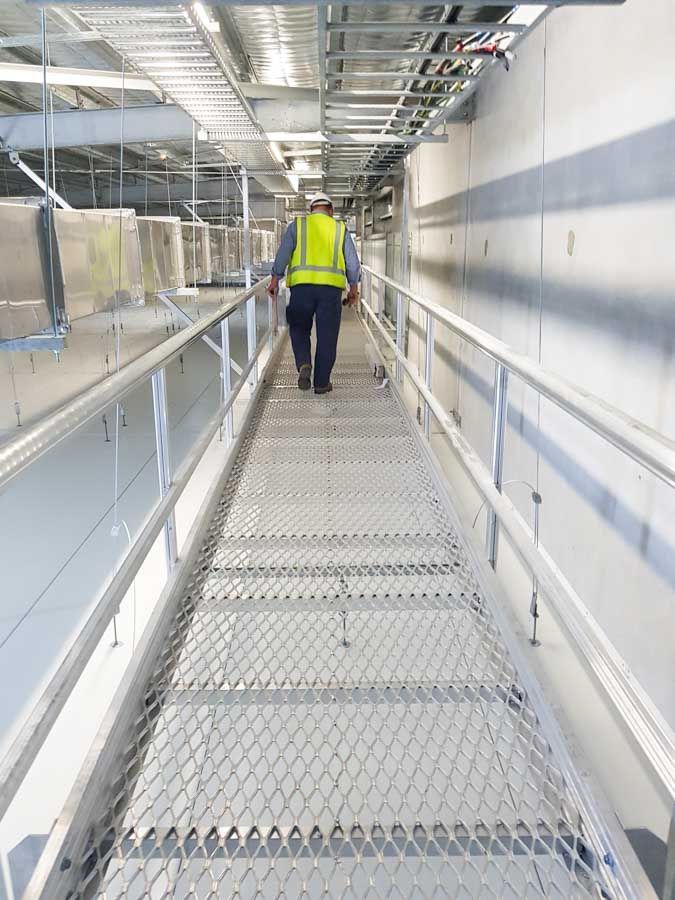
Safetylyne access systems are designed to support long-term building performance, not just meet minimum compliance.
Key contributions include:
+ Responsible Materials and Local Manufacturing
Systems are engineered and fabricated in Australia using high-grade aluminium. This supports local procurement and reduces transport-related emissions. That is why Safetylyne does not use second-grade materials and utilising premium hydrophobic materials in our designs. Sustainable quality materials we use do not absorb moisture and do not grow mold. Building access products made of these materials have a long life-cycle and are recycable as well.
+ Circular Design and Reusability
Aluminium components are fully recyclable, and systems are modular. This allows reconfiguration as plant equipment evolves, reducing waste.
+ Enabling Renewable Energy Performance
Safe access systems ensure solar PV and HVAC can be maintained properly. This protects energy performance over the life of the building.
+ Long-Term Durability
Corrosion-resistant hydrophobic materials and engineered systems support long service life, reducing replacement cycles and lifecycle impact.
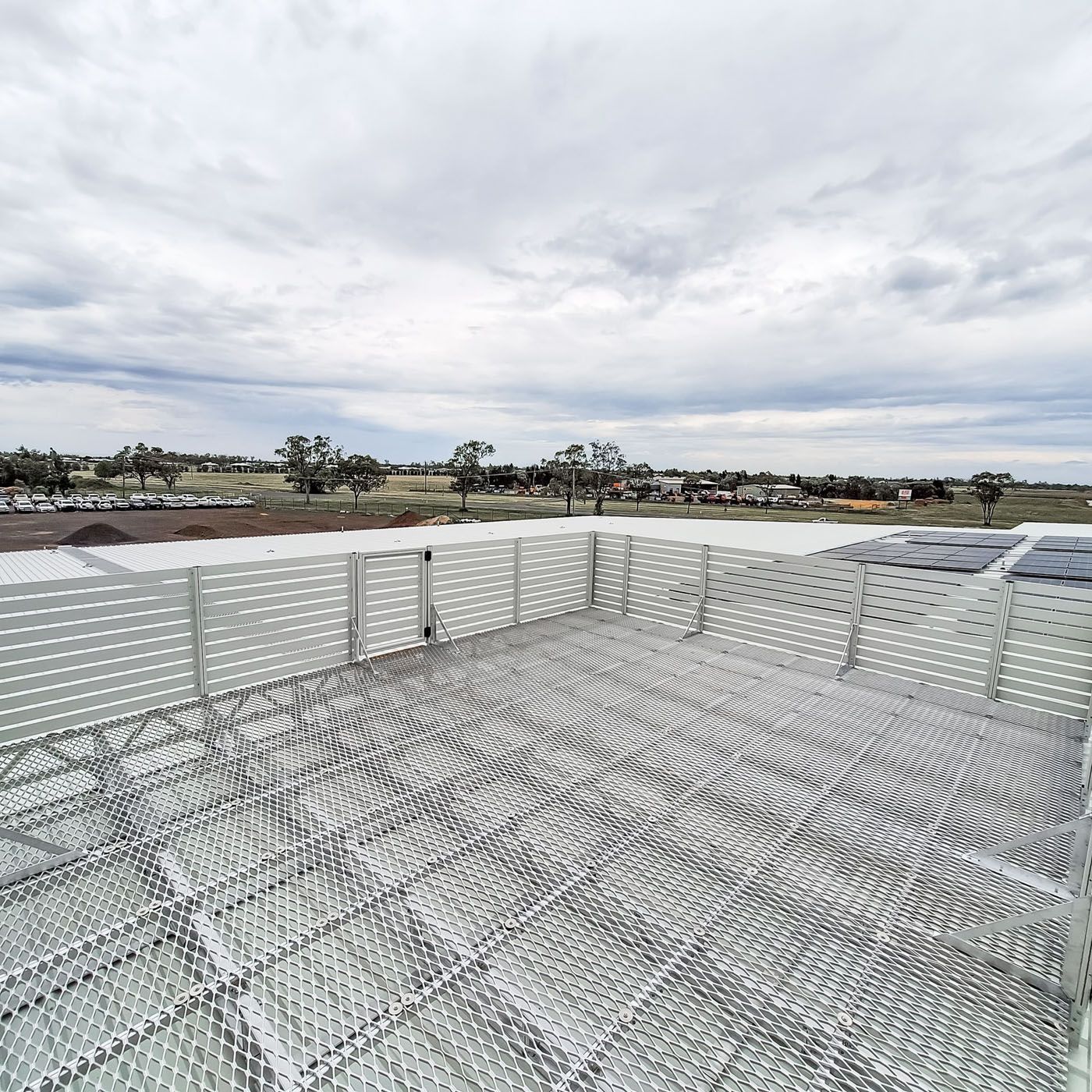
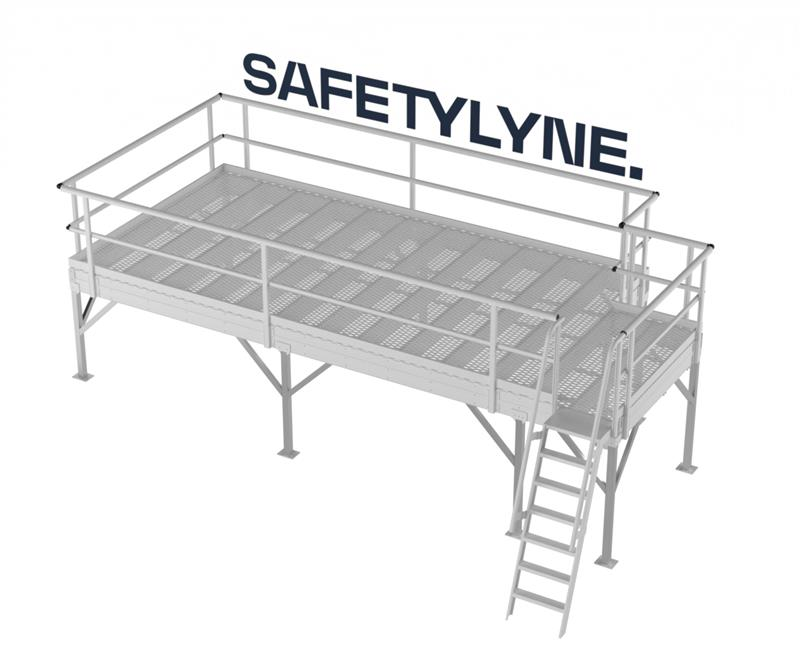
Plant platforms, screening systems, and acoustic treatments can also support Green Star outcomes by improving how building services perform over time.
Safe, permanent access enables ongoing maintenance of HVAC and solar systems, while
acoustic and screening solutions help manage noise and visual impact. When designed as durable, modular systems, these elements contribute to long-term building performance and align with Green Star principles around lifecycle, comfort, and operational efficiency.
Which Companies Offer Green Star-Aligned Access Systems?
Few manufacturers design access systems specifically to support Green Star outcomes.
Most systems are:
- Retrofitted late in the project
- Designed only for compliance
- Not considered in the lifecycle or sustainability strategy
- Can use imported materials from China or third-world countries
Safetylyne takes a different approach.
Access systems are made from premium-grade materials in Australia, integrated early into the design, engineered for performance, and aligned with sustainability goals from the start.
Frequently Asked Questions
Designing for Performance, Not Just Certification
A Green Star rating is not achieved at handover. It is maintained over the life of the building, which requires:
- Durable systems
- Safe access
- Ongoing maintenance capability
- Recyclable materials
Design decisions made early determine whether a building performs as intended or slowly declines.
Talk to a Height Safety Design Partner
Safetylyne works with architects and designers to integrate compliant, performance-driven access systems into Green Star projects.
Early involvement leads to better outcomes, fewer compromises, and systems that support the building long after completion.

