
Rope Access Systems
A rope access system provides technicians an engineered anchorage solution to work from while they clean, inspect, and repair the outside of a building or structure.
The anchorage system stays on site for the life of the asset. Contractors come and go, knowing that there is an existing engineered anchorage system suited to the work methodology.
Safetylyne provides end-to-end fixed rope access infrastructure, from design and manufacturing to installation and certification. Our custom layouts align directly with your facility’s maintenance plan, delivering complete coverage and compliance for every technician accessing the site.
What a Rope Access System Includes
Industrial rope access systems use the configuration requirement for connection of two ropes per technician. The working line supports the technician, and the second line provides a safety backup provision for the technician. Both lines run from anchorage system the building owner has provided. Most buildings use a mix of the components and systems below, suited to the building elements, included in each section of the facade.
Abseil Anchor Points
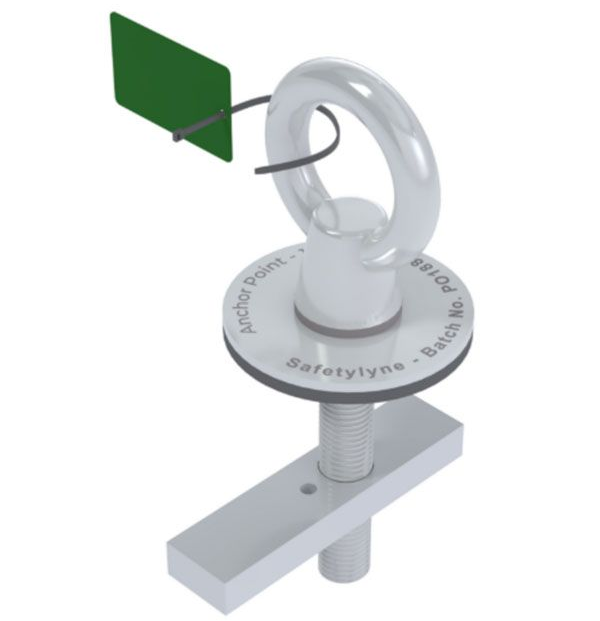
Abseil anchor points are individual connection points fixed to the building structure. They can be constructed and installed to both masonry and lightweight structures within the building facade systems, which require maintenance on a periodic schedule. Technicians connect to two individual points of connection for each abseil drop position. Our anchor points range covers roof, wall, and structural building systems.
Davits and Needles
A davit arm reaches out past the roof edge and holds the rope clear of glazing, balustrades, light parapets, sunhoods and awnings. Portable davit arms are movable between fixed davit base positions. Needles are often a suitable substitute to a davit and may be more suited to the application by providing a greater overhang capability to provide access beyond the facade to provide better navigation aroud architectual design features.
Explore our davit arms and needles for fixed and portable options.
Abseil Rails Rope Access
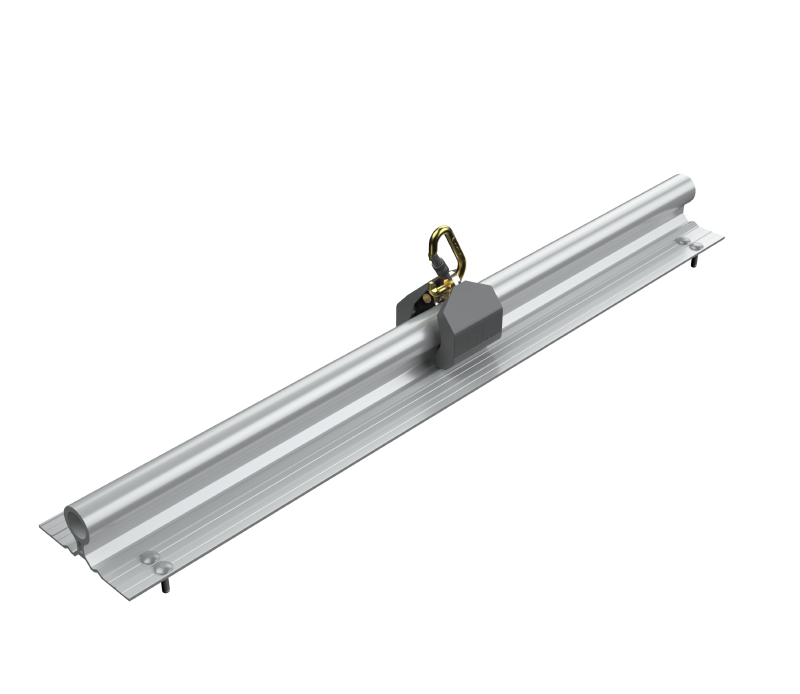
An abseil rail runs along a soffit, parapet, or roof edge. Technicians can travel the full length of the facade on one continuous connection. Rails suit long facades, overhangs, atriums, and the roof edges of buildings, which require frequent cleaning cycles to the perimeter of the facade for multiple technician connections. Rail systems can provide scales of economy by substituting the need for multiple individual anchor points with one rail.
Our overhead rail system can provide both fall restraint/arrest and abseil capabilities. Our guide to abseil rails and anchor points compares the two in detail.
Facade Protection Brackets
Facade protection brackets hold the rope off sharp edges, fragile building elements and architectural finished surfaces. They protect the rope from abrasion and help prevent cladding, glazing, and coatings from being damaged over their service life.
Static Lines to Reach the Anchorage
Technicians often traverse across roofs and narrow access areas to reach rigging points where there are fall risks present.
A static line provides a fall restraint connection whilst in these high risk work zones and maintains risk controls by keeping technicians connected from the maintenance access zone all the way to the work area.
Choosing the Right Rope Access System
Four questions shape every rope access design.
- What tasks need doing on the facade?
- The task frequency - how often is the access required?
- What requires maintenance in close vicinity to a fall risk?
- Which structural members have the capacity to support rope access loads?
The answers decide the system for each section of the building.
| Building or structure condition | System that fits |
|---|---|
| Solid masonry parapet with occasional maintenance | Abseil anchor point or rail system |
| Glazed balustrade, curtain wall, lightweight sunhood or parapet at roof level or within the building facade | Davits, or rope diversions brackets, which hold the rope clear of the edge of fragile building elements |
| Metal deck roof edge | Needles, which spread the load across several fixings which hikd the rope clear of the edge of fragile building elements |
| Long facade, overhangs, atriums, or frequent cleaning | Abseil rail for continuous connection |
| Sharp edges or delicate finishes along the drop | Facade protection brackets and diversionary anchors |
| Tanks, stacks, bridges, and steel structures | Anchors or davits fixed to primary steel members or concrete based structures |
Every layout also includes a plan for rescue. We position anchors so a second technician can reach a suspended worker quickly from the same roof area.
Rope Access for Commercial Buildings
Commercial facades need regular cleaning, glazing repairs, sealant replacement, and signage work. Planning rope access at the design stage lets us fix anchors and davit bases straight into structural members during construction, which keeps the roof and facade clean of later retrofit work. The finished system sits neatly within the architecture.
At the Queensland Children’s Hospital, we installed soffit-mounted rails for abseil connections under overhangs, alongside facade protection brackets and anchor points across the facades. Our facade maintenance access page covers the wider range of systems we deliver for building maintenance.
Industrial Rope Access Systems
Industrial structures bring different loads, materials, and conditions. Tanks, stacks, bridges, and plant structures often have steel members as the only fixing point, and corrosive environments demand materials that last. We fabricate in aluminium and stainless steel, and we engineer each connection to the structure it sits on.
On the Kangaroo Point Green Bridge, we supplied davit arms for abseil access to external maintenance areas. Rope access suits short inspection and repair tasks on tall or complex structures, and a permanent anchorage lets crews return on schedule and set up quickly. See how rope access fits alongside walkways and platforms in our mining height safety and water treatment plant work.
Rope Access Compliance and Standards
Australian rope access systems follow AS/NZS 4488.1:1997, which sets specifications for industrial rope access systems. Anchors follow AS/NZS 5532:2013, the manufacturing standard for single-point anchors.
Safe Work Australia’s Guide to managing risks of industrial rope access systems adds practical guidance on anchor selection, layout, inspection, testing, rope protection, and exclusion zones. It recommends a minimum strength of 15 kN for each anchor and its supporting structure, on both the working line and the safety line. Our roof safety regulations guide explains how these standards fit together.
GOT A QUESTION ROPE ACCESS SOLUTIONS?
For top-quality, custom-engineered rope access solutions for your facility, contact Safetylyne today. Our experts are ready to provide comprehensive safety audits, recommendations, and installations to ensure the highest level of safety and efficiency for your operations.
TALK TO HEIGHT SAFETY EXPERTS ABOUT YOUR PROJECT TODAY:

